
France will ban social media for children under 15: France t
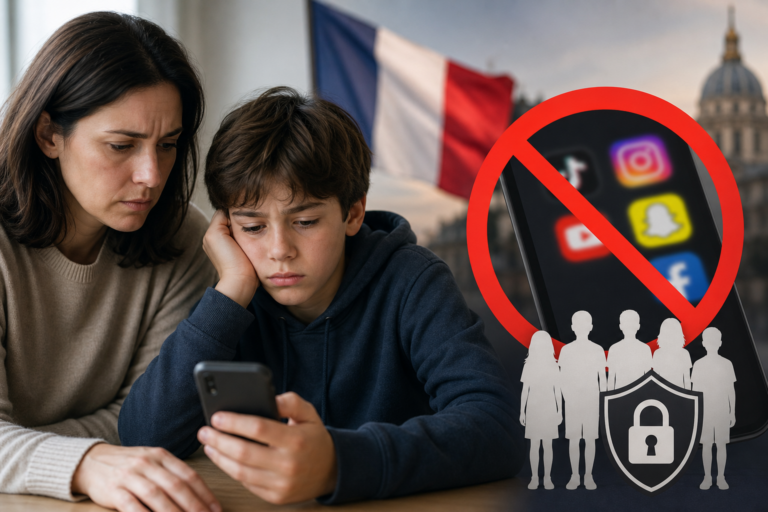
France will ban social media for children under 15 is the focus of this technology-news update.
France to Ban Social Media Use for Children Under 15
Introducing France’s New Social Media Restriction for Minors
France is set to become one of the first countries to legally prohibit children under 15 from using social media platforms. This significant legislative move aims to address mounting concerns over how social networks affect young people’s mental health, privacy, and wellbeing. The French government’s decision reflects a broader global conversation about the need for stricter regulation of digital spaces for minors.
As alarm grows worldwide over the negative impacts of social media on children and teenagers, France’s new law stands out for setting a higher minimum age limit than many other countries. It comes amid increasing challenges faced by governments trying to balance digital engagement with protecting youth from risks like cyberbullying, harmful content, and data misuse.
What the Ban Entails
At the heart of France’s policy is a clear ban preventing anyone under 15 years old from accessing social media platforms. This age threshold is based on expert recommendations highlighting the particular vulnerabilities of children younger than 15 to the adverse effects of these networks.
The law will apply to major platforms operating in France, including Facebook, Instagram, TikTok, Twitter, and Snapchat. These companies will be required to deploy robust age verification systems to enforce compliance. Failure to follow the rules could lead to heavy fines and restrictions on their operations within the country.
Enforcement will involve cooperation between French regulatory authorities and social media companies, with ongoing monitoring and audits planned to detect violations. The legislation also reinforces existing rules banning mobile phone use in schools, aiming to limit children’s digital distractions during class time.
While the ban is broad, it allows narrowly defined exceptions for educational platforms designed specifically for children or supervised digital activities within controlled settings. These carve-outs are intended to prevent loopholes that might undermine the core restrictions.
Why France Is Taking This Step
Several key concerns have driven France’s decision to restrict social media access for children under 15:
– Mental Health Risks: Research links heavy social media use in children and teens to increased anxiety, depression, and lower self-esteem. The immersive and addictive qualities of these platforms can intensify feelings of loneliness and stress, especially in younger users.
– Impact on Learning and Social Skills: Social media distractions can disrupt children’s focus and academic performance. Overreliance on online interactions may also impede development of real-world social skills crucial during adolescence.
– Exposure to Harmful Content and Cyberbullying: Children under 15 are more vulnerable to seeing violent, sexual, or extremist material online, and to becoming victims of cyberbullying, both of which pose serious safety risks.
– Privacy and Data Exploitation: Younger users often do not fully grasp privacy settings or data-sharing consequences, making them easy targets for data harvesting and manipulative advertising practices.
Reactions from Key Groups
The proposed ban has sparked mixed reactions among stakeholders:
– Social Media Companies: Industry representatives have voiced concerns about the technical challenges of verifying user ages accurately and the potential negative effects on user engagement. They acknowledge the importance of protecting children but warn against intrusive verification methods that could raise privacy issues.
– Child Psychologists and Educators: Many experts in mental health and education have welcomed the ban as a positive and necessary step to protect children’s wellbeing and academic focus. They stress the importance of also providing digital literacy education to help children learn responsible internet use.
– Parents and Advocacy Groups: Most parent organizations support government intervention, criticizing social media platforms’ self-regulation as inadequate. However, some worry about enforcement effectiveness and whether children might find ways to bypass the ban.
– Politicians and Lawmakers: French lawmakers backing the legislation emphasize its role in adapting child protection policies to today’s digital realities, prioritizing young people’s rights and health in the evolving online environment.
How France’s Approach Compares Globally
France’s decision to set the minimum social media age at 15 is more stringent than many other countries:
– Most countries, including the US under the Children’s Online Privacy Protection Act (COPPA), set the minimum age for social media at 13.
– Other nations focus on digital wellbeing initiatives like screen time limits or content filters but rarely impose outright bans by age.
– Countries such as the UK and Germany have trialed age verification technologies and education campaigns, highlighting the complexities involved in regulating children’s online activities.
France’s law may become a reference point for future regulations worldwide, balancing child protection with practical enforcement challenges and digital rights.
Potential Challenges and Criticism
Despite its protective aims, the ban faces several hurdles:
– Enforcement Difficulties: Accurately verifying users’ ages online is technically difficult. Children may lie about their age or use parents’ accounts, potentially weakening the law’s effectiveness.
– Digital Literacy and Inclusion Concerns: Critics argue that banning access might limit children’s ability to develop vital digital skills and participate socially in an increasingly online world.
– Risk of Secret Usage: Some children may bypass restrictions using VPNs or fake accounts, exposing themselves to risks without adult supervision.
– Freedom of Expression and Parental Authority: There are worries that a blanket ban could infringe on children’s rights to express themselves and reduce parents’ control over how their children engage online.
These concerns point to the need for complementary strategies—such as education, parental support, and better technology—to accompany legal measures.
Looking Ahead: Impact and Implementation
If enforced effectively, France’s social media ban for under-15s could bring several benefits:
– Better Mental Health Outcomes: Limiting early social media exposure may decrease anxiety, depression, and cyberbullying cases among children.
– Changes to Platform Practices: Social media companies may need to redesign signup processes and adjust algorithms to comply with stricter age verification and reduce child-targeted content.
– Global Influence: France’s law could encourage other countries to adopt similar or stronger regulations, shaping international standards on children’s online safety.
– Implementation Status: According to publicly available information, the law is currently being rolled out with ongoing discussions about enforcement methods. The existing ban on mobile phone use in schools complements this effort, reflecting a comprehensive approach to managing children’s digital environments.
—
France’s decision to ban social media use for children under 15 marks a bold step in digital regulation aimed at protecting young users. While challenges remain, the law highlights the growing urgency to carefully navigate the complex relationship between technology, childhood development, and societal wellbeing.
—

Leave a Reply