
Samsung Galaxy Google Search bar updated with new customizat
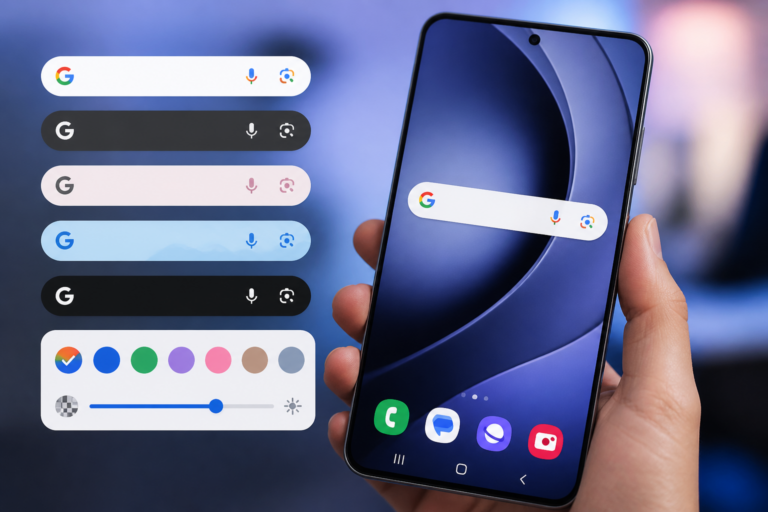
Samsung Galaxy Google Search bar is the focus of this technology-news update.
Samsung Galaxy Phones Add a Pixel-Style Dedicated Google Search Bar on Homescreen [Gallery]
Samsung Galaxy phones have introduced a Pixel-style dedicated Google Search bar on the homescreen, marking a significant change in how Samsung integrates Google’s search functionality into its flagship devices. This update, delivered with the latest One UI iteration, places a persistent Google Search bar at the bottom of the homescreen, closely mirroring the experience Pixel users have had for years. For Samsung users, who are accustomed to a different approach to search widgets and home screen layouts, this represents a subtle but notable evolution in user interface design and daily device interaction.
You might also be interested in technology trends 2024 Driving Innovation in AI, Robotics, a.What Happened: New Google Search Bar on Samsung Galaxy Homescreens
As part of Samsung’s ongoing collaboration with Google, the latest One UI update adds a dedicated Google Search bar anchored at the bottom of the homescreen on select Galaxy phones. Unlike previous versions where search was accessed mainly through widgets or app shortcuts, this bar remains fixed and visible across home panels, similar to the native Pixel interface. This redesign aims to streamline search access by integrating Google’s search capabilities more tightly within Samsung’s device ecosystem.
The rollout currently targets flagship and recent Galaxy models running One UI 9. While Samsung has not provided a full list of compatible devices, early reports indicate support for Galaxy S series phones from the S22 onward, as well as the latest foldable models.
Key Details of the Search Bar Feature
– Placement and Visibility: The search bar is positioned at the bottom center of the homescreen, replacing or supplementing previous search widgets. It remains persistently visible as users navigate the home screens.
– Interaction Capabilities: Users can initiate voice search via a microphone icon or type queries directly into the bar. This dual input method facilitates quick access to information, whether hands-free or manual.
– Integration: The search bar connects seamlessly with Google’s search engine and other Google services, such as Discover and Assistant, while maintaining compatibility with Samsung’s One UI features.
– Customization: Initial reports suggest limited customization options. Users may toggle the bar’s presence through home screen settings but cannot extensively alter its appearance or functionality beyond enabling or disabling it.
Impact on Users and User Experience
For Samsung Galaxy users, the new Google Search bar offers faster, more intuitive access to web and device search functions. Positioned at the bottom, the bar aligns with ergonomic design principles, making it easier to reach with one hand—especially on larger devices. Its persistent presence encourages frequent use of Google Search, potentially reducing friction in routine tasks like information retrieval, navigation, and voice commands.
Early feedback from beta testers and the wider community indicates appreciation for the streamlined access, though some users note an adjustment period due to the visual change from Samsung’s traditional homescreen layouts. The update may also encourage greater engagement with Google Assistant features, given the integrated voice search capability.
Business and Developer Implications
This update highlights the strengthening partnership between Samsung and Google. Embedding a Pixel-style search bar signals Samsung’s recognition of Google Search’s central role in the Android experience and its appeal to users. For app developers and UI designers, the change reflects growing standardization in Android home screen elements, which could influence design strategies to ensure compatibility and user familiarity.
Additionally, the prominence of Google Search on Samsung devices may boost user engagement with Google’s services, aligning with Google’s business objectives while providing Samsung with a competitive UI feature leveraging Google’s strengths. Developers specializing in search-related apps or voice interaction tools may find new opportunities to integrate with or complement this built-in search bar.
Comparison and Context
Samsung’s new Google Search bar closely resembles the one found on Google’s Pixel devices in both location and function. However, while Pixel’s implementation is native to Google’s launcher and tightly integrated with its software ecosystem, Samsung adapts this design within the One UI framework. This results in subtle differences in animation, responsiveness, and visual style.
Before this update, Samsung offered a search widget that users could place anywhere on the homescreen, but it was optional and less prominently positioned. Other Android manufacturers employ varied approaches, such as generic search widgets or integrating search into app drawers rather than dedicating persistent bars. Samsung’s move brings it closer to Google’s vision for search-centric device interaction.
Limitations and Unknowns
– Customization Limits: Users currently have limited ability to personalize the search bar’s appearance or behavior beyond toggling it on or off.
– Rollout Scope: The update is presently limited to select Galaxy models running One UI 9, with no confirmed timeline for expansion to mid-range or older devices.
– Privacy Considerations: While the search bar enhances Google integration, users should remain aware of data handling practices inherent in Google Search and voice commands. Samsung has not indicated any additional privacy impacts specific to this feature.
What Happens Next
Looking ahead, Samsung and Google are likely to continue refining this integration, potentially adding more customization options and deeper Google Assistant capabilities within One UI. This update forms part of a broader trend toward closer collaboration between the two companies to unify and enhance the Android user experience on Samsung’s flagship devices.
As the Android ecosystem evolves, users can expect more UI elements inspired by Google’s native designs, balanced with Samsung’s customization strengths. Future One UI versions may further blend Samsung’s interface with Google’s native Android environment, providing a more cohesive and intuitive experience.
Gallery: Visual Overview of the New Google Search Bar on Samsung Galaxy Phones
The new Google Search bar appears as a sleek, rounded rectangle anchored at the bottom of the homescreen. It features a magnifying glass icon on the left, a microphone for voice input on the right, and a subtle Google “G” logo embedded within the bar. Screenshots from various Galaxy models show consistent placement and design, with slight variations in color themes depending on the device’s wallpaper and One UI theme settings.
When compared side-by-side with Pixel phones, Samsung’s version maintains the core layout but differs slightly in animation fluidity and integration with Samsung’s app drawer swipe gestures. The unified design language reflects a careful balance between adopting Google’s search bar concept and preserving Samsung’s brand identity.
Key Takeaways
– Samsung Galaxy phones add a Pixel-style dedicated Google Search bar on the homescreen, introducing a permanent, easily accessible search interface.
– This feature is rolling out with One UI 9 on select recent Galaxy devices, enhancing user convenience and Google service integration.
– While visually and functionally similar to Pixel’s search bar, Samsung’s implementation respects One UI’s design principles and ecosystem compatibility.
– Customization options are currently limited, and the update’s availability does not yet extend to all Samsung devices.
– The move signals deeper collaboration between Samsung and Google, with potential impacts on app development and the Android UI landscape.
Conclusion
The addition of a Pixel-style dedicated Google Search bar on Samsung Galaxy homescreens represents a considered evolution in Samsung’s user interface strategy, bringing Google’s well-established search experience directly to the homescreen in a persistent and accessible format. For users, this means quicker access to information and voice commands without sacrificing the familiar Samsung One UI environment.
Although the rollout is initially limited and customization remains modest, this update signals growing synergy between Samsung and Google. It may pave the way for further enhancements in how Android users interact with their devices. Observers and users should monitor developments as One UI 9 expands and Samsung potentially introduces deeper Google service integrations in future software updates.
Frequently Asked Questions
What new feature has Samsung added to Galaxy phones related to Google Search?
Samsung has introduced a dedicated Google Search bar on the home screen of Galaxy phones, similar to the Pixel's style.
Which Samsung Galaxy phones will receive the dedicated Google Search bar update?
The update is rolling out to recent Samsung Galaxy models, primarily those running the latest One UI versions, but exact device eligibility may vary.
Is the new Google Search bar feature free to use on Samsung Galaxy phones?
Yes, the Google Search bar is a free feature integrated into the home screen and does not require additional payment.
Does adding the Google Search bar affect user privacy or security on Samsung Galaxy phones?
The Google Search bar functions like the standard Google Search widget and follows Google's privacy and security policies; no additional risks have been reported.
Can users remove or customize the Google Search bar on Samsung Galaxy home screens?
Yes, users can typically remove or reposition the Google Search bar widget from the home screen as with other widgets.
Source: Original reporting

Leave a Reply