
home technology gadgets transforming smart living in 2024
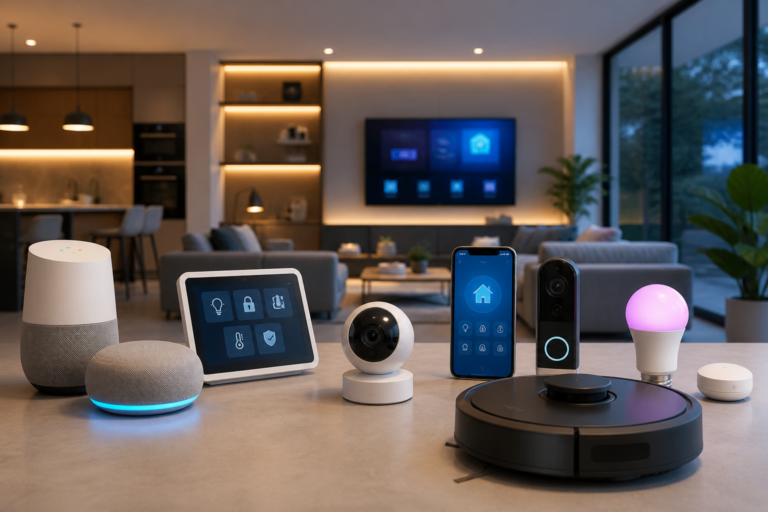
Technology Gadgets for Home Use: Innovations Transforming Modern Living
Home technology gadgets have become increasingly integral to modern living, delivering conveniences and efficiencies that were unimaginable just a decade ago. Factors such as the rise of remote work, the integration of smart home systems, and a growing emphasis on energy efficiency have driven a surge in demand for these devices. Staying informed about the latest home technology gadgets is essential not only for consumers seeking to enhance their living environments but also for industry professionals tracking market trends and innovations.
Overview of Recent Developments in Home Technology Gadgets
In recent years, the market for home technology gadgets has expanded notably across several categories. Smart appliances, including refrigerators equipped with integrated touchscreens and ovens controllable via smartphone apps, have become increasingly popular. Security devices have advanced as well, with connected cameras and smart locks incorporating improved sensors and artificial intelligence (AI) to more accurately detect unusual activity.
Health technology for home use is emerging as another significant area. Gadgets designed to monitor air quality, sleep patterns, and vital signs are gaining traction, often employing AI to provide personalized insights and recommendations.
Connectivity remains a central focus, with developments such as Wi-Fi 6 and the emerging Matter protocol aiming to enhance device interoperability. The incorporation of AI and machine learning into home gadgets enables more intuitive functionality, predictive maintenance, and improved automation.
Key Features and Technologies Behind Modern Home Gadgets
– Artificial Intelligence and Machine Learning: AI allows devices to learn user preferences and behaviors, fostering smarter automation and personalized experiences. For example, smart thermostats adjust heating and cooling based on occupancy patterns to optimize comfort and energy use.
– Improved IoT Protocols: New standardized Internet of Things (IoT) protocols, such as Matter, address longstanding challenges in device compatibility, enabling gadgets from different manufacturers to operate together more seamlessly.
– Energy Efficiency: Many home technology gadgets use sensors and algorithms to reduce power consumption, supporting sustainability goals. Smart lighting systems, for instance, adjust brightness and color temperature to align with natural lighting and minimize electricity use.
– Security and Privacy: As the number of connected devices grows, manufacturers are embedding stronger encryption, secure boot processes, and local data processing to protect user privacy and guard against cyber threats.
Technology Gadgets for Home Use: Categories and Use Cases
Home technology gadgets cover a broad range of categories, each offering distinct functionalities and benefits:
– Smart Home Hubs and Voice Assistants: Devices such as smart speakers and dedicated hubs act as central control points, allowing users to manage connected gadgets via voice commands or mobile apps.
– Connected Security Systems and Surveillance: This category includes smart cameras, video-enabled doorbells, motion detectors, and smart locks, providing remote monitoring and enhanced home protection.
– Home Automation Devices: Lighting systems, climate control units, and motorized blinds can be automated or adjusted remotely, increasing convenience and improving energy management.
– Health and Wellness Gadgets: Devices like air quality monitors, wearable health trackers, and smart scales offer continuous monitoring and data analysis to support healthier living environments.
– Entertainment and Media Devices: Smart TVs, streaming devices, and multi-room audio systems deliver personalized media experiences and can integrate into broader home automation setups.
For example, a homeowner might use a smart hub to coordinate lighting, thermostat, and security systems, creating automated scenes that activate when leaving or arriving home. Such integration enhances convenience while potentially reducing energy consumption and improving security awareness.
Impact on Users, Businesses, and Developers
Consumers benefit from increased convenience, improved energy efficiency, and enhanced security through the adoption of home technology gadgets. The ability to monitor and control home environments remotely aligns with evolving lifestyles, particularly amid widespread remote work.
For manufacturers and startups, the growing market offers both opportunities and challenges. Designing devices that balance ease of use, interoperability, and robust security requires substantial investment in research and development. The ongoing debate between open platforms and proprietary ecosystems continues to influence product strategies, as broad compatibility can drive adoption, whereas proprietary features may provide competitive advantages.
Service providers and installation professionals are also affected, with rising demand for expert setup and maintenance of increasingly complex home systems. This shift encourages workforce upskilling and the emergence of new service models.
Comparison and Context: Home Gadgets vs. Traditional Devices
Compared to traditional home devices, modern home technology gadgets provide enhanced functionality through connectivity and intelligent features. For instance, a conventional thermostat maintains a set temperature, whereas a smart thermostat adapts to user routines and weather forecasts to optimize performance.
Cost-benefit considerations remain important. Although initial investments in smart devices can be higher, long-term savings from energy efficiency and reduced maintenance may offset upfront expenses. However, consumers should be mindful of compatibility issues when integrating new gadgets with existing home systems, as some devices require specific hubs or protocols to function properly.
Limitations and Uncertainties in Current Home Technology Gadgets
– Privacy and Cybersecurity Risks: The proliferation of connected devices expands potential attack surfaces. Despite improvements, vulnerabilities persist, necessitating ongoing vigilance from both manufacturers and users.
– Device Interoperability and Ecosystem Lock-in: While standards like Matter aim to improve compatibility, many devices remain tied to specific platforms, limiting user choice and complicating integration.
– Reliability and Technical Support: Network outages or software bugs can disrupt device operation. Users may also face challenges obtaining timely technical support for complex systems.
– Accessibility and User-Friendliness: Some home technology gadgets may not adequately address the needs of older adults or individuals with disabilities, highlighting ongoing gaps in inclusive design.
What Happens Next: Future Trends and Industry Outlook
Looking forward, home technology gadgets are expected to benefit from continued advancements in AI, more robust IoT standards, and improved energy management technologies. Market growth projections indicate increasing consumer adoption, especially as devices become more affordable and user-friendly.
Regulatory developments focusing on data protection and device security are likely to shape product design and industry practices. Manufacturers may encounter stricter requirements to ensure user privacy and system resilience.
Emerging innovation areas include deeper integration of health monitoring with home environments, expanded use of edge computing to enhance responsiveness and privacy, and the development of adaptive systems that learn and evolve with user behavior.
Key Takeaways
– Home technology gadgets are becoming integral to modern lifestyles, driven by trends such as remote work and sustainability.
– Recent innovations span smart appliances, security, health monitoring, and entertainment, often leveraging AI and improved connectivity.
– Consumers gain convenience, efficiency, and security benefits but should remain aware of privacy, interoperability, and reliability challenges.
– Industry players face evolving demands concerning open standards, ecosystem strategies, and regulatory compliance.
– Future developments will likely focus on enhanced integration, user-centric design, and stronger protections for users.
Conclusion
Technology gadgets for home use continue to reshape how individuals interact with their living spaces, offering greater control, comfort, and safety. As the ecosystem matures, both users and industry stakeholders must navigate challenges related to security, compatibility, and accessibility. Monitoring developments in standards, AI applications, and regulatory frameworks will be essential to understanding the future direction of home technology gadgets. Consumers interested in adopting these devices should consider their immediate needs alongside longer-term integration plans to maximize benefits while mitigating risks.
Frequently Asked Questions
What are the most popular types of technology gadgets for home use?
Popular home technology gadgets include smart speakers, smart thermostats, security cameras, robotic vacuum cleaners, and smart lighting systems.
Are smart home devices compatible with all smartphones?
Most smart home devices are compatible with both iOS and Android smartphones, but specific compatibility depends on the device and its app requirements.
How do smart home gadgets affect user privacy and security?
Smart home gadgets can pose privacy risks if not properly secured; users should ensure devices use strong passwords, regular firmware updates, and trusted network connections.
What is the typical cost range for basic home technology gadgets?
Basic home technology gadgets typically range from $30 for simple smart plugs or bulbs to $200 or more for advanced devices like smart thermostats or security cameras.
Can technology gadgets for home use help reduce energy consumption?
Yes, devices like smart thermostats and smart lighting can optimize energy use by adjusting settings based on occupancy and time, potentially lowering utility bills.

Leave a Reply