
cheaper cleaner steel innovation reduces carbon emissions in
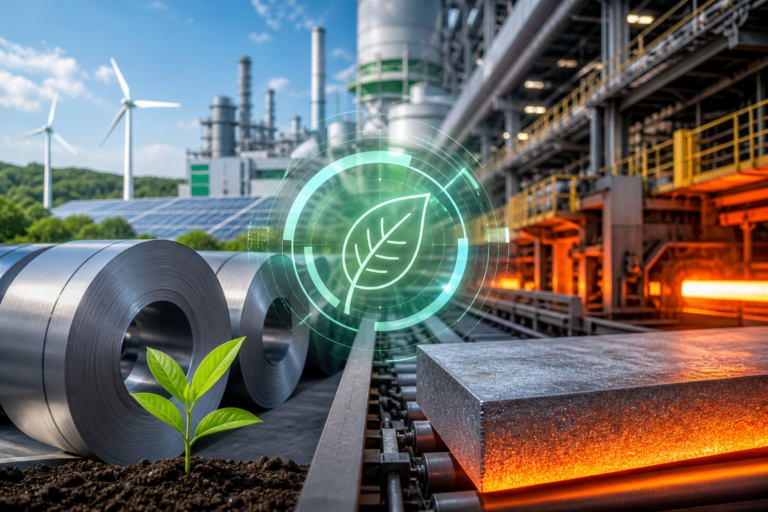
cheaper cleaner steel innovation is the focus of this technology-news update.
This founder is making cheaper, cleaner steel
The global steel industry is a cornerstone of modern infrastructure and manufacturing but remains one of the most carbon-intensive and resource-heavy sectors worldwide. Innovations in steel production are essential not only for economic growth but also for meeting ambitious climate targets. A new approach to cheaper cleaner steel promises to disrupt traditional methods that have dominated since the 19th century, offering a path toward more sustainable and affordable steel. This founder is advancing cheaper cleaner steel by challenging established processes and introducing novel technologies that could reshape the industry’s environmental footprint and cost structure.
Introducing the founder and their groundbreaking approach
The founder behind this cheaper cleaner steel innovation brings a strong background in materials science and engineering, applying deep technical expertise to a traditionally conservative industry. Rather than focusing on incremental improvements, this entrepreneur is developing a fundamentally different steelmaking process designed to reduce both financial and environmental costs.
According to the original report, the founder’s method diverges from the conventional blast furnace model, which melts iron ore at extreme temperatures using coke as fuel and reducing agent. Instead, their process employs alternative chemical pathways and energy sources, reducing dependence on fossil fuels and lowering overall energy consumption.
How the new steelmaking technology works
Key technological innovations
The technology centers on a novel reduction process that replaces carbon-intensive coke with cleaner agents—potentially hydrogen or innovative catalysts—to remove oxygen from iron ore. This approach operates at lower temperatures than traditional blast furnaces, resulting in significant energy savings. By redesigning the chemical reactions and process flow, it reduces carbon dioxide and other harmful emissions.
Additionally, the founder’s process is compatible with renewable energy inputs, enabling a shift away from fossil fuels. This contrasts with electric arc furnaces, which primarily recycle scrap steel but still rely heavily on electricity from mixed sources. The ability to integrate green energy such as solar or wind enhances the environmental benefits.
Environmental benefits
– Substantial reduction in carbon emissions compared to blast furnace steelmaking
– Lower energy consumption due to decreased processing temperatures
– Potential elimination or major reduction of coke use, mitigating air pollutants
– Compatibility with renewable electricity and hydrogen, supporting decarbonization targets
This approach tackles one of the largest contributors to industrial greenhouse gas emissions, marking an important step toward cleaner heavy industry.
Industry context and comparison
Since the 1850s, the steel industry’s core production methods have changed little, with blast furnaces followed by electric arc furnaces dominating. Although there have been advances such as direct reduced iron (DRI) using natural gas, steelmaking still accounts for approximately 7-9% of global CO2 emissions.
This founder’s cheaper cleaner steel innovation aligns with global decarbonization efforts targeting heavy industry, which are critical for meeting the Paris Agreement goals. While other startups and initiatives have explored hydrogen-based steelmaking or carbon capture, this technology stands out for its cost efficiency and process simplicity.
Where many competitors focus on retrofitting existing facilities or incremental changes, this founder aims for a scalable, bottom-up transformation that could accelerate adoption across diverse markets.
Potential impact on businesses, users, and the steel supply chain
– Manufacturers and construction industries could benefit from access to lower-cost, cleaner steel, helping reduce material expenses and meet sustainability requirements.
– More affordable production methods may pressure traditional producers to innovate or lower prices.
– Steel buyers with environmental commitments can source greener steel, improving overall supply chain emissions profiles.
The ripple effects extend beyond steelmakers to sectors heavily reliant on steel, such as automotive, infrastructure, and consumer goods, potentially accelerating the shift to sustainable products.
Challenges and limitations of the new technology
Despite its promise, several challenges must be addressed before this cheaper cleaner steel innovation can be widely adopted. Scaling the technology from pilot to commercial scale requires substantial capital investment and engineering refinement. The durability and performance of steel produced with this new process must meet industry standards.
Market adoption may be slowed by existing infrastructure investments and regulatory frameworks tailored to traditional methods. Additionally, adjustments in supply chains and workforce training will be necessary to support the new process.
Uncertainties remain regarding long-term operational costs, maintenance requirements, and the technology’s performance across different steel grades and applications.
What happens next for this founder and the technology
The founder is actively pursuing pilot projects and partnerships with industrial players to demonstrate the technology’s viability at scale. According to the original report, these initiatives aim to validate process efficiency, environmental benefits, and cost advantages in real-world settings.
Industry and investor interest appears strong, reflecting growing demand for solutions that reduce steel’s environmental impact without compromising affordability. Timelines for broader market entry remain cautious but optimistic, with commercial viability expected within the next several years pending successful pilots.
Key takeaways: Why this cheaper cleaner steel innovation matters
– The steel industry’s environmental footprint is substantial, making production innovations essential for climate goals.
– This founder’s novel technology offers a way to reduce both costs and emissions by reimagining chemical processes and energy inputs.
– Lower temperature operations and reduced reliance on coke distinguish this method from traditional blast furnaces.
– Integration with renewable energy sources enhances environmental benefits and supports decarbonization trends.
– Despite scaling and adoption challenges, the technology could significantly influence pricing, sustainability, and supply chain dynamics.
Conclusion: The future of steel innovation and sustainability
This founder is developing cheaper, cleaner steel through an innovation that could transform one of the world’s most fundamental yet environmentally challenging industries. While technical and market challenges remain, the potential to reduce emissions and production costs positions this advancement as a notable contribution to industrial decarbonization.
As global efforts to combat climate change intensify, such innovations will be crucial in reshaping the steel sector’s environmental impact. Observers, investors, and industry stakeholders should monitor progress closely as pilot projects advance and the technology moves toward commercial readiness. The future of steel may well depend on new approaches like this, balancing economic and ecological imperatives for decades to come.
Frequently Asked Questions
Who is the founder making cheaper, cleaner steel?
The founder is a technology entrepreneur developing innovative methods to produce steel with lower costs and reduced environmental impact.
How does this new steel production method reduce environmental impact?
The method reduces reliance on carbon-intensive processes, lowering greenhouse gas emissions compared to traditional steel manufacturing.
What industries could benefit from cheaper, cleaner steel?
Industries such as construction, automotive, infrastructure, and manufacturing could benefit from more affordable and sustainable steel.
Is this new steel technology currently available on the market?
The technology is in development or early deployment stages, with plans to scale production for commercial availability in the near future.
What are the potential limitations of this cleaner steel production approach?
Challenges include scaling the technology, ensuring consistent steel quality, and competing with established steel production infrastructure.
Source: Original reporting

Leave a Reply