
LG televisions ambient conversations feature sparks privacy
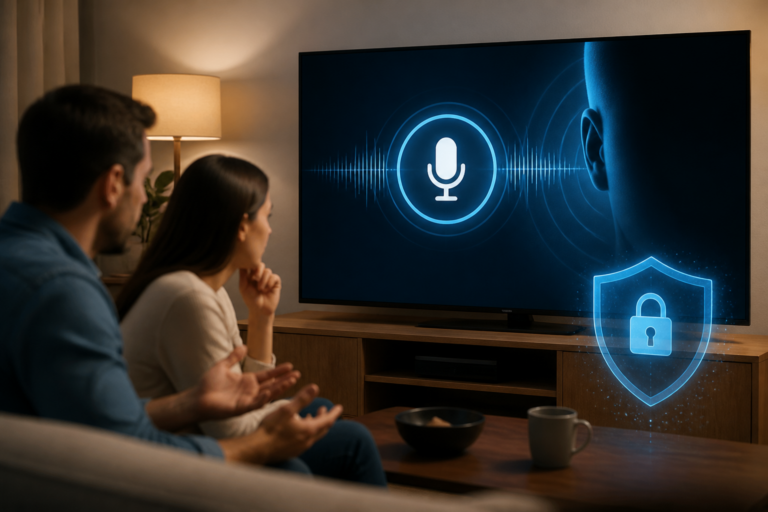
LG televisions ambient conversations is the focus of this technology-news update.
LG Denies Its Televisions Record Ambient Conversations for Ad Targeting
Privacy concerns surrounding smart home devices have intensified in recent years, with particular scrutiny on how manufacturers collect and use user data. Recently, LG televisions have come under examination following allegations that certain LG smart TV models may be capturing and exploiting users’ private conversations to target advertisements. This controversy underscores the delicate balance between innovation in connected devices and consumer privacy protection. Understanding the stakes and LG’s response is important for users, industry observers, and regulators alike.
What Happened: The Allegations Against LG Televisions
The issue surfaced when researchers reported they had exploited the microphone and content recognition features on some LG smart TVs to listen to ambient conversations. These reports suggested that LG televisions might be actively recording spoken words in users’ homes and potentially using this data for advertising purposes. Media coverage and user concerns about invasive data collection practices helped the story gain traction.
The allegations centered on the TVs’ built-in microphones, which are intended for voice commands and content recognition, but were claimed to capture more than just user instructions. This raised questions about whether ambient audio was being processed or stored without explicit user consent or awareness. The possibility that this information could be used to tailor advertisements heightened fears regarding surveillance and data misuse.
Public and industry responses ranged from skepticism to concern, with privacy advocates urging LG and other manufacturers to clarify their data handling practices and reassure consumers.
LG Denies Its Televisions Record Ambient Conversations for Ad Targeting
In response, LG issued a clear denial that its televisions record ambient conversations for advertising purposes. The company stated that voice recognition features on its smart TVs activate only when triggered by specific user commands, such as wake words or button presses, and that audio data is not continuously recorded or used for ad targeting.
LG’s official statements emphasize that voice command processing prioritizes user privacy, and any collected data is subject to strict privacy policies detailing limited retention periods and restrictions on third-party sharing. The company also noted that content recognition technologies identify video content to support features like recommendations rather than capturing user conversations.
While confirming the presence of microphones in their smart TVs, LG denied that these devices function as surveillance tools or that ambient audio is harvested for advertising algorithms. Instead, LG positions these features as enhancing user experience through voice control and personalized content suggestions, always contingent on user consent and privacy safeguards.
Impact on Users and Consumer Trust
Had the allegations been accurate, the implications for user privacy would be considerable. Unauthorized recording of private conversations could expose consumers to risks such as data breaches, unauthorized profiling, and loss of control over personal information. Such practices would erode trust not only in LG but also in smart TV technology broadly.
Even with LG’s denial, the controversy highlights consumers’ sensitivity to privacy issues in connected devices. Potential users may hesitate to adopt smart TVs or fully engage with voice-enabled features if they fear being monitored. This hesitation could slow innovation and limit smart device functionality, as manufacturers balance advanced capabilities with maintaining user confidence.
For current LG TV owners, the episode may prompt greater scrutiny of device settings, permissions, and privacy controls. It also underscores the need for clearer disclosures and stronger protections regarding data collection and usage.
Industry Context and Comparison
Concerns about LG televisions recording ambient conversations fit within a wider industry challenge involving audio data collection by smart TVs. Other manufacturers, including Samsung and Sony, also incorporate voice recognition and content identification features, though their approaches and privacy policies differ.
– Samsung uses voice assistants activated by wake words, stating that voice data is processed only after activation and that minimal data is stored with user consent.
– Sony employs microphone arrays primarily for voice commands, offering clear opt-in settings and privacy policies that restrict third-party access to audio data.
– Some other brands have faced criticism for less transparent practices, raising questions about industry-wide standards.
Regulatory frameworks worldwide are increasingly focusing on smart device privacy. In jurisdictions such as the European Union, laws like the General Data Protection Regulation (GDPR) impose stringent requirements on data collection, processing, and user consent. In the United States and other markets, privacy watchdogs advocate for clearer rules and greater accountability from manufacturers.
LG’s public denial aligns with an industry trend emphasizing user control and transparency. Nonetheless, the episode highlights the ongoing need for vigilance and standardization in handling audio data.
Limitations and Open Questions
Although LG has firmly denied recording ambient conversations for ad targeting, several questions remain:
– Data Retention: How long is voice data retained if collected? Are there comprehensive deletion policies?
– Third-Party Access: Does LG share any voice or audio data with third-party service providers or advertisers, and under what conditions?
– Real-Time Processing: To what extent does audio processing occur locally on the device versus being transmitted to external servers?
– Security Measures: What safeguards protect against unauthorized access or exploitation of the microphones?
– Verification Challenges: Independent verification of device behavior is difficult, leaving some uncertainty for consumers and watchdogs.
These open questions reflect the complexities of assessing the privacy impact of smart TVs, which integrate hardware, software, and cloud services in intricate ways.
What Happens Next: Monitoring and Future Developments
Following this controversy, consumer advocacy groups, regulatory agencies, and technology journalists are expected to continue monitoring LG’s actions and disclosures. Any updates to LG’s privacy policies or software features will likely be closely examined for compliance and transparency.
The incident may encourage LG and other smart TV manufacturers to enhance privacy controls, simplify user consent mechanisms, and communicate more clearly about voice data handling. It could also accelerate industry-wide discussions on best practices and standards for protecting privacy in connected entertainment devices.
For consumers, staying informed about privacy settings, regularly updating device firmware, and reviewing manufacturer policies remain essential steps to protect personal information.
Key Takeaways
– LG denies that its televisions record ambient conversations for ad targeting, emphasizing that voice features activate only with user consent and are not used for advertising profiling.
– The controversy highlights ongoing privacy concerns surrounding smart TVs and the importance of transparent data practices.
– Industry comparisons reveal varying approaches to audio data, with regulatory pressure increasing globally.
– Unanswered questions about data retention, third-party access, and security persist, underscoring the need for continued scrutiny.
– Consumers and watchdogs are likely to maintain focus on LG and other manufacturers to ensure privacy commitments are upheld.
Conclusion
The recent allegations and LG’s subsequent denial regarding LG televisions recording ambient conversations for ad targeting underscore the critical intersection of technological innovation and privacy protection. While LG has sought to reassure users by clarifying its practices, the broader discussion about how smart devices collect and use audio data remains unresolved. Consumers should remain vigilant, manufacturers must prioritize transparency, and regulators need to enforce clear standards to foster trust in the evolving landscape of connected home entertainment.
Frequently Asked Questions
What did LG deny regarding its televisions and ambient conversations?
LG denied claims that its televisions record ambient conversations for ad targeting purposes.
Are LG televisions equipped to listen to private conversations for advertising?
No, LG televisions do not record or use private conversations to target advertisements.
Which LG television models are involved in this privacy concern?
The denial applies broadly to LG smart TVs, but no specific model has been confirmed to record ambient conversations.
How does LG ensure user privacy with its smart TV voice features?
LG implements privacy safeguards, including opt-in voice recognition features that only activate when users enable them.
What should LG TV users do if they are concerned about privacy?
Users can review and adjust their TV’s privacy settings, disable voice recognition features if preferred, and keep their TV firmware updated.
Source: Original reporting

Leave a Reply