
iPhone 18 release delay confirmed due to supply chain issues
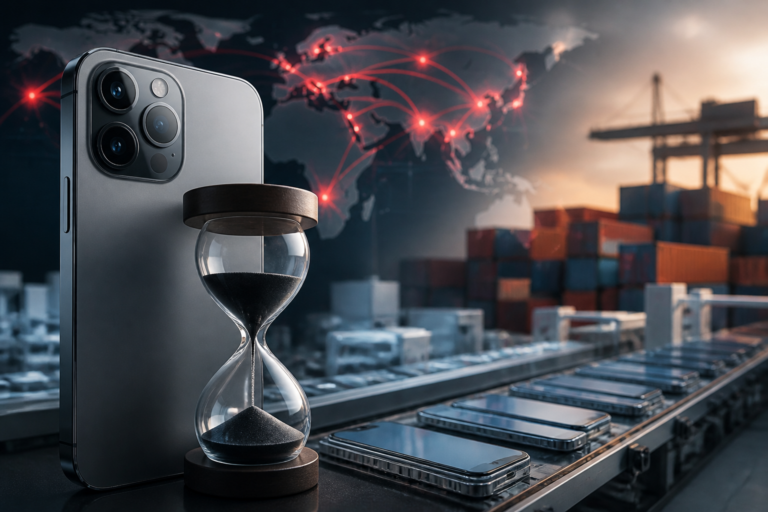
iPhone 18 release delay is the focus of this technology-news update.
Where’s the iPhone 18? Here’s Why Apple Didn’t Reveal a New Standard iPhone
Apple’s annual iPhone launch events have long been a highlight of the tech calendar, drawing anticipation from millions worldwide. However, the most recent unveiling left a noticeable gap: the absence of a new standard iPhone model. This unexpected omission has generated widespread curiosity and speculation, prompting the question: where’s the iPhone 18? The delay in releasing the iPhone 18 represents a significant departure from Apple’s usual product cadence, with potential implications for consumers, developers, and the broader smartphone market.
You might also be interested in Apple feature release timeline reveals key updates for 2024.What Happened at Apple’s Latest Event?
During its recent keynote, Apple introduced the iPhone 18 Pro and iPhone 18 Pro Max, along with the new iPhone Duo variant, underscoring its focus on premium and mid-tier segments. The standard iPhone 18—the baseline model that typically appeals to the largest consumer group—was notably absent from the lineup. Instead, Apple concentrated on enhancing the capabilities of its Pro series and expanding offerings in other categories such as wearables and services.
This strategic emphasis highlights Apple’s current direction but has left many longtime iPhone users wondering when an updated standard model will become available.
Where’s the iPhone 18? Here’s Why Apple Didn’t Reveal a New Standard iPhone
Several interconnected factors appear to have influenced Apple’s decision to withhold the standard iPhone 18 in this release cycle:
– Supply Chain Challenges: Persistent global supply constraints, particularly affecting critical components like advanced chips and display panels, may have limited Apple’s ability to produce sufficient volumes for a cost-effective launch of the standard model.
– Product Lineup Strategy: Apple seems to be consolidating its smartphone offerings around premium devices while positioning the iPhone Duo as an alternative for mid-range buyers. This shift could reflect a market trend favoring either high-end features or more budget-friendly options, squeezing the traditional standard model out of the middle.
– Technology Development Cycle: Apple might be aligning the standard model’s introduction with next-generation technologies that require additional development time, such as more efficient processors or advanced camera systems, to ensure a meaningful upgrade over previous models.
Industry analysts suggest this approach allows Apple to optimize resources and concentrate innovation where it can have the greatest impact. Although Apple has not provided a formal explanation for the iPhone 18 delay, the absence of a standard model signals a deliberate recalibration rather than an oversight.
Impact on Users: What This Means for iPhone Buyers
For consumers, the delay in releasing the iPhone 18 means those expecting a new standard model may need to extend the lifespan of their current devices or consider alternatives within Apple’s existing lineup. Key considerations include:
– Shifted Upgrade Cycles: Users planning annual upgrades might postpone their purchases until the standard iPhone returns, which could influence satisfaction and buying decisions.
– Compatibility and Features: Without a new baseline model, some software features or hardware improvements optimized for the latest devices may remain inaccessible to users with older iPhones.
– Price Considerations: The absence of a new entry-level option may force consumers to choose between higher-priced Pro models or older devices, impacting affordability.
In summary, consumers will need to adjust expectations and carefully evaluate their priorities in the near term.
Business and Developer Perspectives
The iPhone 18 release delay also has broader implications for Apple’s market positioning and the developer community:
– Market Positioning and Sales Forecasts: Emphasizing premium devices could support higher profit margins but risks narrowing market share if mid-tier buyers feel underserved.
– Developer Focus: App developers often tailor experiences to the latest hardware capabilities. The lack of a new standard model might delay widespread adoption of new APIs and features optimized for next-generation iPhones.
– Ecosystem and Marketing: Apple’s ecosystem strategy may shift toward strengthening services and accessories aligned with Pro devices, potentially altering marketing efforts and consumer engagement.
Developers and industry analysts will be closely observing how these dynamics evolve in response to the iPhone 18 delay.
Comparison and Context: Apple’s Historical Product Launch Patterns
Apple has traditionally maintained a predictable annual release schedule for both standard and Pro iPhones, establishing consistent expectations. However, there have been exceptions when Apple adjusted its cycle or product mix due to technological or strategic reasons.
Comparing those instances with the current situation reveals parallels, such as the need for additional development time to introduce significant new technologies. Additionally, other smartphone manufacturers sometimes stagger flagship and standard model releases, prioritizing innovation in premium tiers before broader rollouts.
These trends underscore the increasing complexity of smartphone development and the balance companies must strike between innovation, production capabilities, and market demand.
Limitations and Unknowns: What We Still Don’t Know
Despite available information, several questions remain unanswered:
– Official Timeline: Apple has not confirmed when the standard iPhone 18 will be released or if its launch is postponed until next year.
– Alternate Models or Naming: It is unclear whether the standard model might appear under a different name or as part of a new sub-series.
– External Influences: Geopolitical tensions, component supply disruptions, or unforeseen market shifts could further affect Apple’s plans.
Until Apple provides more clarity, much of the discussion around the iPhone 18 delay remains speculative.
What Happens Next? Expectations for Apple’s iPhone Lineup
Looking forward, several scenarios may unfold regarding Apple’s smartphone strategy:
– Delayed Standard Model Launch: Apple could introduce the standard iPhone 18 next year, incorporating advanced features that justify the wait and align with new hardware capabilities.
– Focus on Premium and Mid-Range Devices: The company might continue emphasizing its Pro models and the iPhone Duo, refining these lines to address diverse market segments.
– Incremental Innovations: Apple may prioritize software and ecosystem enhancements to maintain user engagement while hardware updates progress.
Key dates to watch include Apple’s next annual event and potential interim announcements, which may provide insight into the company’s evolving approach and the future of the iPhone 18 series.
Key Takeaways
– The iPhone 18 release delay marks a significant shift in Apple’s traditional product launch rhythm, with no new standard iPhone introduced at the latest event.
– Supply chain challenges, strategic product realignment, and technology development cycles appear to be primary factors behind this decision.
– Consumers will need to adjust upgrade plans and consider alternatives within Apple’s current lineup, while developers and businesses recalibrate expectations accordingly.
– Historically, Apple has occasionally deviated from annual releases to accommodate significant innovation or strategic shifts.
– Uncertainties remain regarding the timing and nature of the standard iPhone 18, making future Apple announcements essential to follow.
Conclusion
The question “Where’s the iPhone 18? Here’s Why Apple Didn’t Reveal a New Standard iPhone” captures a pivotal moment in Apple’s product evolution. While the absence of a new standard model this cycle may disappoint some users, it reflects a complex interplay of supply constraints, strategic priorities, and technological readiness. For consumers, developers, and industry observers, the coming months will be critical in understanding how Apple balances innovation with market demands. Monitoring upcoming events and announcements will help stakeholders anticipate the trajectory of Apple’s smartphone lineup and its broader ecosystem impact.
Frequently Asked Questions
Why didn’t Apple release a standard iPhone 18 model?
Apple chose to focus on advanced Pro models this cycle, prioritizing high-end features and technology upgrades instead of a new standard iPhone 18.
Which iPhone models are available instead of the iPhone 18?
Apple released the iPhone 15 Pro and iPhone 15 Pro Max as the flagship models, while continuing to offer previous generation standard iPhones like the iPhone 14 and iPhone 13.
How does this affect customers looking for a more affordable new iPhone?
Customers seeking a new standard iPhone at a lower price may need to choose from older models still available or wait for future releases, as the latest lineup emphasizes premium Pro models.
Are there any compatibility or software support issues due to the missing iPhone 18?
No, all supported iPhone models, including older ones, continue to receive iOS updates and security patches, ensuring compatibility and privacy protections remain intact.
What should potential buyers expect for the next standard iPhone release?
Apple is expected to resume standard iPhone releases in future cycles, possibly with renewed focus on balancing features and affordability, but no official details have been announced yet.
Source: Original reporting

Leave a Reply