
Sustainable Technology Solutions Drive Growth in Renewable E
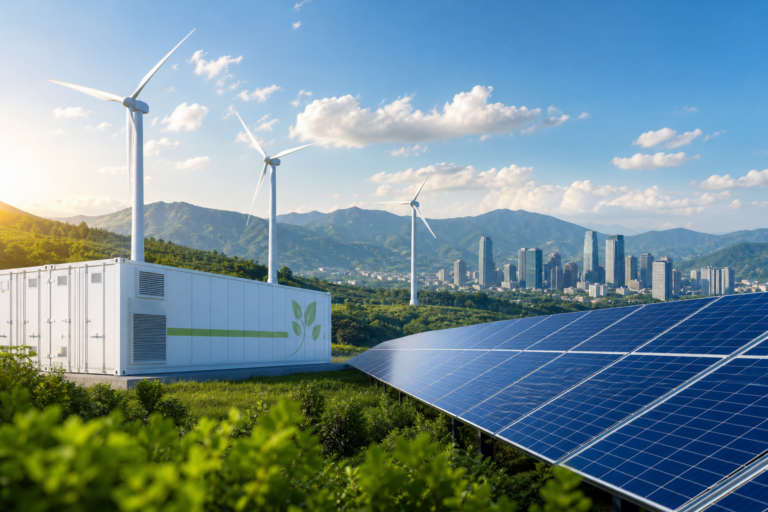
Sustainable Technology Solutions: Advancing the Future of Eco-Friendly Innovation
Amid increasing environmental challenges such as climate change and resource depletion, sustainable technology solutions have become a central focus within the global technology sector. These solutions aim to reduce environmental impact, enhance resource efficiency, and support broader sustainability objectives. Recent advancements underscore the critical role of integrating eco-conscious approaches in technology development and deployment, influencing industries, consumers, and policymakers alike.
Understanding Sustainable Technology Solutions
Sustainable technology solutions encompass innovations and practices that prioritize minimizing environmental harm while maximizing efficiency and durability. Within the technology industry, this includes a wide range of strategies, such as designing energy-efficient devices, utilizing renewable energy sources, incorporating recyclable or biodegradable materials, and reducing emissions throughout product lifecycles.
Key principles guiding these solutions include:
– Energy efficiency: Lowering the energy consumption required for devices and systems to operate.
– Resource conservation: Reducing reliance on nonrenewable resources and promoting sustainable sourcing of materials.
– Recyclability and reuse: Designing products to facilitate recycling and extending usable life through modularity or repairability.
– Lower emissions: Minimizing greenhouse gases and pollutants during manufacturing, usage, and disposal phases.
Recent Developments in Sustainable Technology Solutions
Recent technology reports have highlighted several notable innovations advancing sustainable technology solutions. These developments span material science, energy systems, and product design:
– Advanced eco-friendly materials: Researchers and companies are increasingly developing biodegradable polymers and composites to reduce plastic waste. For instance, bio-based plastics derived from plant materials are emerging as alternatives to conventional petroleum-based plastics in consumer electronics packaging and components.
– Renewable energy integration: Improvements in solar and wind technologies have enhanced efficiency and lowered costs, enabling broader adoption. Concurrently, energy storage technologies like solid-state batteries and advanced supercapacitors are progressing, allowing more effective utilization of intermittent renewable energy sources.
– System-level designs: Smart grid technologies and Internet of Things (IoT) devices are enabling more efficient energy management at both consumer and industrial scales. These systems optimize energy consumption in response to demand and supply conditions, contributing to carbon footprint reduction.
– Data center optimization: The technology sector is increasingly adopting greener data centers employing liquid cooling, AI-driven energy management, and renewable power sources, addressing the substantial energy demands of cloud computing.
Impact on Users, Businesses, and Developers
The integration of sustainable technology solutions affects various stakeholders in distinct ways:
– Consumers: Environmentally conscious users benefit from products with reduced environmental impact, such as energy-saving appliances and devices designed for longevity and repairability. While this supports a growing market for green technology, consumers may encounter higher upfront costs or limited availability depending on their region.
– Businesses: Companies that embrace sustainable technologies can lower their operational carbon footprints, comply with tightening environmental regulations, and meet investor and customer expectations for corporate responsibility. Additionally, sustainable practices can yield cost savings over time through improved efficiency and waste reduction.
– Developers and engineers: Applying sustainable design principles requires balancing performance, cost, and environmental impact. Challenges include sourcing sustainable materials, ensuring product durability, and innovating within regulatory frameworks. Nonetheless, these demands create opportunities for innovation and leadership in emerging green technology markets.
Comparing Sustainable Technology Solutions and Traditional Technologies
Compared to conventional technologies, sustainable technology solutions generally differ in the following ways:
– Environmental impact: Sustainable technologies focus on minimizing waste, emissions, and resource depletion throughout product lifecycles, whereas traditional technologies often prioritize performance and cost with less regard for environmental effects.
– Lifecycle analysis: Sustainable designs incorporate end-of-life considerations such as recyclability or biodegradability, which are frequently absent in traditional products, resulting in lower overall ecological footprints.
– Performance and cost trade-offs: Some sustainable options may currently involve higher initial costs or modest performance compromises due to material limitations or energy constraints. However, ongoing research is narrowing these gaps. Furthermore, lifecycle cost savings from energy efficiency and durability can offset upfront expenses.
Limitations and Challenges in Current Sustainable Technology Solutions
Despite significant progress, several challenges hinder the widespread adoption of sustainable technology solutions:
– Technical challenges: Issues remain regarding the scalability of bio-based materials, durability under real-world conditions, and integration of renewable energy into existing infrastructure. Continued advances are necessary to ensure consistent performance and reliability.
– Economic barriers: Higher initial production costs, complex supply chains, and lack of economies of scale can impede adoption. Market incentives or subsidies may be required to encourage investment and consumer uptake.
– Regulatory and policy gaps: Variability in regulations across regions and sectors creates uncertainty for developers and businesses. Clearer standards and supportive policies would facilitate broader deployment of sustainable technologies.
– Research needs: Further innovation is required in areas such as circular economy approaches, advanced recycling techniques, and next-generation renewable energy systems to address current limitations effectively.
Outlook: The Future of Sustainable Technology Solutions
Several trends are expected to influence the ongoing development of sustainable technology solutions:
– Increased cross-industry collaboration: Partnerships among technology companies, material scientists, policymakers, and environmental organizations will be essential to accelerate progress and overcome systemic barriers.
– Policy evolution: Governments are anticipated to introduce more robust incentives, mandates, and standards aimed at reducing carbon emissions and promoting circular economy principles, directly shaping technology development priorities.
– Consumer behavior shifts: Growing awareness and demand for environmentally responsible products will encourage companies to pursue sustainable and transparent innovation.
– Emerging technologies: Advances in AI, machine learning, and advanced manufacturing could enhance the design and optimization of sustainable systems, improving efficiency and reducing waste.
Key Takeaways
– Sustainable technology solutions focus on reducing environmental impact through energy efficiency, resource conservation, and lifecycle management.
– Recent innovations include eco-friendly materials, renewable energy technologies, and smarter systems that optimize energy use.
– Adoption benefits consumers, businesses, and developers but requires navigating cost, performance, and regulatory challenges.
– Traditional technologies generally have higher environmental footprints and less emphasis on end-of-life sustainability compared to sustainable alternatives.
– Continued research, policy support, and cross-sector collaboration are vital to overcoming current challenges and accelerating adoption.
Conclusion
Sustainable technology solutions represent a critical avenue of innovation essential for addressing global environmental and resource challenges. As the technology sector evolves, embedding sustainability into design, production, and operation will become increasingly imperative. Stakeholders across industries must remain committed to advancing these solutions through research, policy engagement, and consumer education to ensure their long-term viability and impact. Observers should monitor emerging policies, technological breakthroughs, and shifting market dynamics that will shape the future landscape of sustainable technology.
Frequently Asked Questions
What are sustainable technology solutions?
Sustainable technology solutions are innovations designed to reduce environmental impact by improving energy efficiency, minimizing waste, and using renewable resources.
Who benefits from sustainable technology solutions?
Businesses, consumers, and governments benefit by lowering carbon footprints, reducing operational costs, and complying with environmental regulations.
Are sustainable technology solutions widely available and affordable?
Many sustainable technologies like solar panels and energy-efficient devices are increasingly accessible and affordable, though initial costs can vary based on scale and region.
Do sustainable technologies pose any privacy or security concerns?
While sustainable technologies generally focus on environmental impact, devices connected to the internet may require careful management of data privacy and cybersecurity.
What are common limitations of current sustainable technology solutions?
Limitations include high upfront costs, technology integration challenges, and variability in performance depending on location and user behavior.

Leave a Reply