
future transportation technology advances with autonomous el
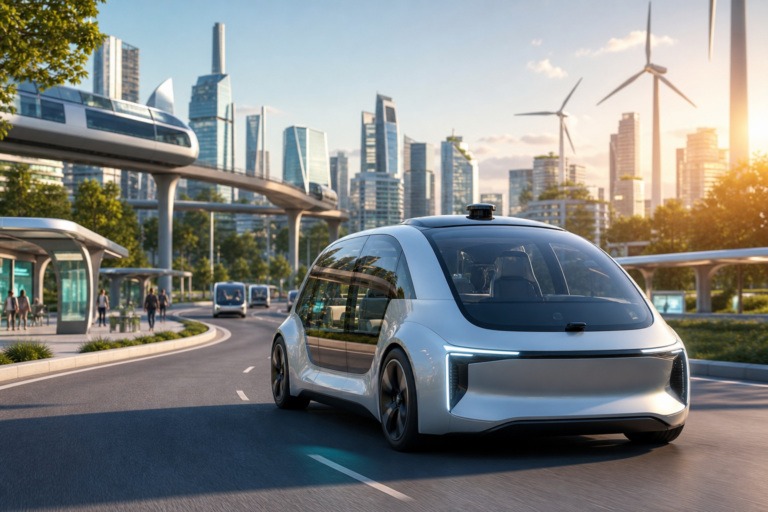
future transportation technology is the focus of this technology-news update.
The Future of Technology in the Transportation Industry: Navigating Innovation and Transformation
The future of technology in the transportation industry holds significant promise, underpinning the efficient movement of people and goods that drives global economies and everyday life. Amid rising urbanization, environmental concerns, and growing demands for efficiency, technological innovation is essential to address current challenges. Advances in electric propulsion, autonomous systems, connectivity, and alternative energy sources are fundamentally reshaping how mobility is conceived and delivered. This article examines recent developments, emerging trends, and their implications for users, businesses, and the broader technology ecosystem, providing a comprehensive outlook on what lies ahead.
Recent Technological Developments Impacting Transportation
In recent years, several technological breakthroughs have significantly influenced the transportation landscape:
– Electric Vehicle (EV) Technologies and Battery Improvements: Battery technology has advanced notably, with improvements in energy density, cost reduction, and charging speed. These enhancements increase the accessibility and practicality of electric vehicles for a broader user base, contributing to lower carbon emissions and operational costs.
– Autonomous Driving Systems and AI Integration: Progress in sensing technologies, machine learning algorithms, and real-time data processing has driven the development of autonomous vehicles. While fully autonomous driving remains under rigorous testing and regulatory review, partial automation features have become increasingly common in consumer vehicles.
– Connected Infrastructure and Internet of Things (IoT): Incorporating IoT into transportation infrastructure enables smarter traffic management, predictive maintenance, and enhanced safety. Vehicle-to-everything (V2X) communication is emerging as a key enabler for connected vehicle networks.
– Alternative Fuels and Energy Sources: Research continues into hydrogen fuel cells, biofuels, and synthetic fuels as alternatives to electric power. These options aim to diversify energy sources, particularly for heavy-duty and long-distance transport where battery limitations persist.
Emerging Trends and Predictions for Future Transportation Technology
Looking forward over the next decade, several trends are expected to shape transportation technology:
– Artificial Intelligence and Machine Learning in Logistics and Traffic Management: AI and machine learning will increasingly optimize route planning, demand forecasting, and real-time traffic flow, helping to reduce congestion and emissions. Intelligent transportation systems (ITS) will leverage large datasets to enhance efficiency in public transit and freight operations.
– Expansion of Smart City Initiatives: Urban centers are adopting smart city frameworks that incorporate advanced sensors, adaptive traffic signals, and integrated transit options. These systems aim to provide seamless, multimodal mobility experiences while improving resource utilization.
– Hyperloop, Drone Delivery, and Next-Gen Air Mobility: Innovative concepts such as hyperloop transport propose ultra-high-speed ground travel using near-vacuum tubes, potentially reducing travel times dramatically. Drone delivery is evolving as a practical solution for last-mile logistics, while urban air mobility projects—including electric vertical takeoff and landing (eVTOL) aircraft—seek to alleviate ground congestion.
Impact on Users, Businesses, and Developers
The evolution of transportation technology will affect various stakeholders in distinct ways:
– Consumers and Commuters: Enhanced mobility options, including shared autonomous vehicles and improved public transit services, will offer more convenient, affordable, and sustainable travel choices.
– Freight and Logistics Companies: Automation and connectivity promise operational efficiencies, cost reductions, and better asset utilization, enabling more responsive supply chains.
– Software Developers and Hardware Manufacturers: Demand will grow for advanced software platforms, sensor technologies, and reliable hardware components, alongside challenges related to interoperability and security.
– Regulatory and Safety Authorities: Policymakers must balance innovation with safety, privacy, and ethical concerns. Developing adaptable regulatory frameworks will be crucial for technology adoption.
Comparing Emerging Technologies and Their Potential Roles
Transportation technology encompasses multiple, often complementary innovations that require careful assessment:
– Autonomous Vehicles vs. Connected Vehicle Networks: Autonomous vehicles focus on self-driving capabilities, while connected networks emphasize communication between vehicles and infrastructure. Both approaches are likely to coexist, enhancing safety and traffic flow.
– Electric Propulsion vs. Hydrogen Fuel Cells and Alternatives: Battery electric vehicles currently lead in passenger transport, but hydrogen and other fuels may offer advantages in heavy freight and aviation due to higher energy density.
– Ground Transportation vs. Aerial and Maritime Innovations: Ground transport improvements concentrate on electrification and automation, whereas aerial mobility introduces new dimensions with eVTOLs and drones. Maritime transport is also exploring alternative fuels and autonomous vessels.
– Public Transit Modernization vs. Personal Mobility Solutions: Investments in smart public transit systems aim to improve capacity and accessibility, while personal mobility innovations such as e-bikes, scooters, and autonomous taxis cater to flexible, individualized travel.
Limitations, Challenges, and Unknowns in Transportation Technology Evolution
Despite progress, several obstacles remain:
– Technical Hurdles: Sensor accuracy, energy storage limits, and integration of complex systems require continued research and development.
– Infrastructure Gaps and Investment Needs: Existing infrastructure often requires significant upgrades to support new technologies, demanding substantial capital and cross-sector collaboration.
– Societal and Ethical Concerns: Issues including data privacy, cybersecurity, job displacement due to automation, and safety must be addressed with transparency.
– Regulatory Uncertainties: Divergent international regulations and slow policy adaptation can hinder the deployment and scalability of innovations.
What Happens Next: Key Areas to Watch and Research Directions
Several ongoing initiatives and research areas will influence the trajectory of transportation technology:
– Large-scale pilot programs testing autonomous vehicles, smart infrastructure, and alternative energy applications.
– Development of harmonized regulatory frameworks and safety standards to facilitate international cooperation.
– Material science breakthroughs aimed at reducing vehicle weight and improving battery performance.
– Advances in computing power enabling more sophisticated AI models for real-time decision-making.
– Enhanced public-private partnerships fostering innovation while aligning commercial and societal objectives.
Key Takeaways
– The future of technology in the transportation industry is marked by rapid advancements in electric propulsion, autonomy, connectivity, and alternative fuels.
– Integration of AI and IoT will optimize logistics, traffic management, and urban mobility, enabling smarter and more sustainable systems.
– Stakeholders across sectors must navigate technical, regulatory, and ethical challenges to realize the benefits.
– Continuous monitoring of pilot projects, policy developments, and scientific discoveries is essential to track evolving trends.
Conclusion: Preparing for a Transformative Transportation Future
The future of technology in the transportation industry is set to transform how societies move people and goods, with profound impacts on economic efficiency, environmental sustainability, and daily convenience. While many promising innovations are underway, their full potential depends on coordinated efforts among technology developers, policymakers, infrastructure planners, and users. Staying informed about emerging trends and challenges will help stakeholders anticipate changes and contribute to shaping a transportation ecosystem that balances innovation with safety and inclusivity. Observing ongoing trials, regulatory developments, and material science breakthroughs will be critical in the coming years to understanding how these technologies will integrate into everyday life and commerce.
Frequently Asked Questions
What are the key technological advancements shaping the future of transportation?
Key advancements include autonomous vehicles, electric propulsion, connected infrastructure, and AI-driven traffic management systems, all aimed at improving safety, efficiency, and sustainability.
How will autonomous vehicles impact the transportation industry?
Autonomous vehicles are expected to reduce accidents caused by human error, lower transportation costs, and transform logistics and public transit, but widespread adoption depends on regulatory approval and technological maturity.
What are the main challenges facing the adoption of new transportation technologies?
Challenges include high initial costs, infrastructure upgrades, regulatory hurdles, cybersecurity risks, and public acceptance of autonomous and connected systems.
Who will be most affected by the shift toward advanced transportation technologies?
Drivers, logistics companies, urban planners, and consumers will be affected, with job roles evolving due to automation and new mobility services becoming more prevalent.
Are current transportation systems compatible with emerging technologies like electric and autonomous vehicles?
Many existing systems require significant upgrades, such as charging infrastructure for electric vehicles and communication networks for autonomous vehicles, to fully support these technologies.

Leave a Reply