
iPhone Air 2 announcement delay confirmed amid supply chain
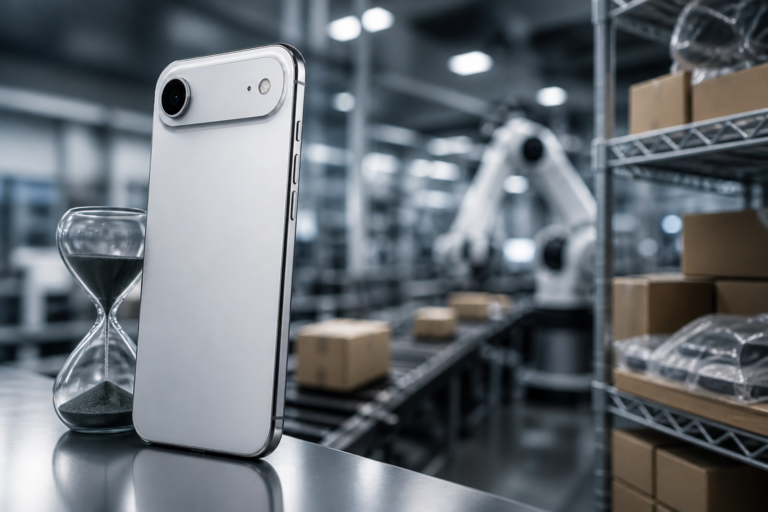
iPhone Air 2 announcement delay is the focus of this technology-news update.
The iPhone Air 2 Wasn’t Announced. Here’s Why That’s Bad for Apple Buyers
Apple’s product announcements have long been key events in the technology calendar, shaping expectations around innovation, performance, and pricing across the industry. This year, however, a notable absence stood out: the iPhone Air 2 announcement delay. The omission of a new mid-tier iPhone model during Apple’s latest event has left many consumers and market observers puzzled and concerned. This break from Apple’s usual release pattern raises questions about the implications for buyers who depend on the company’s diverse smartphone lineup.
What Happened: The Missing iPhone Air 2 Announcement
Industry rumors had positioned the iPhone Air 2 as an imminent release, expected to refresh Apple’s mid-range smartphone offering with updated hardware and features aimed at budget-conscious consumers seeking modern capabilities without flagship pricing. Traditionally, Apple staggers its iPhone releases, pairing premium flagship models with more affordable variants like the iPhone Air series to address different customer segments.
At the recent Apple event held at Apple Park, the company introduced several new products, focusing primarily on the latest flagship iPhone models and updates to its wearable and tablet lines. However, the iPhone Air 2 was conspicuously absent, with no details or release date provided. Apple has officially confirmed this omission, marking a significant departure from expectations.
Why the iPhone Air 2 Announcement Delay Is Problematic for Apple Buyers
The delay in announcing the iPhone Air 2 carries several consequences that directly affect Apple’s consumers:
– Limited Choice and Pricing Challenges: Without the iPhone Air 2, Apple’s smartphone lineup lacks a refreshed mid-tier option. This gap narrows the range of available price points, forcing buyers to choose between expensive flagship models or older, potentially outdated devices.
– Consumer Confusion and Dissatisfaction: Loyal Apple customers often plan purchases around predictable update cycles. The absence of the iPhone Air 2 disrupts this rhythm, which may lead to frustration and uncertainty about when a suitable upgrade will become available.
– Market Segmentation Impacts: Apple’s historical strategy involves clear segmentation to meet varied market needs. The missing announcement blurs these distinctions, risking the loss of customers who might turn to competitors offering consistent mid-tier options.
Impact on Users and the Apple Ecosystem
User Experience and Upgrade Cycles
For users of older or more budget-friendly iPhone models, the delay complicates upgrade decisions. Many expect a mid-range device that balances cost and features, providing access to newer technology without the flagship price tag. The absence of a new model stalls this natural upgrade path.
Additionally, the delay may affect the trade-in market, where customers exchange older devices for credit toward new purchases. The lack of a refreshed mid-tier option could depress trade-in values for certain models, as buyers hesitate to commit to older phones or more expensive flagships.
Developer Considerations
Developers also experience the ripple effects of the iPhone Air 2 announcement delay. New devices typically introduce hardware variations that require app testing and optimization to ensure consistent performance and compatibility. Without a new mid-range iPhone entering the ecosystem, developers have fewer hardware profiles to target for this segment, potentially delaying support for features or improvements tailored to mid-tier devices.
This could slow innovation in apps that rely on hardware capabilities introduced in mid-range models, affecting user experience more broadly.
Comparison and Context: Apple’s Strategy vs. Competitors
Apple’s decision not to announce the iPhone Air 2 contrasts with strategies employed by other smartphone manufacturers that emphasize mid-range devices. Companies like Samsung, Google, and OnePlus regularly refresh their mid-tier lines, recognizing the substantial market demand for affordable yet capable smartphones.
Historically, Apple has balanced premium flagship releases with more affordable options to maintain broad appeal. The current delay deviates from this pattern, prompting questions about whether Apple is shifting its product strategy—perhaps focusing more on premium devices or reconsidering segmentation to align with supply chain realities or market trends.
Limitations and Unknowns Surrounding the Decision
While the iPhone Air 2 announcement delay is confirmed, the precise reasons behind Apple’s choice remain unclear. Speculation includes potential manufacturing or supply chain challenges, strategic repositioning, or a decision to consolidate resources around flagship models. None of these possibilities have been officially confirmed by Apple.
This lack of transparency leaves consumers and analysts without clear guidance on when—or if—a mid-tier iPhone refresh will occur, complicating forecasts of Apple’s near-term product roadmap.
What Happens Next: Future Prospects for Apple Buyers
Looking ahead, consumers hoping for a mid-range iPhone upgrade may need to consider alternatives within Apple’s existing lineup. The current iPhone SE or older Air models might serve as interim options, though these come with trade-offs in performance and features.
Apple may still announce the iPhone Air 2 at a later date or introduce a differently branded device to fill the mid-tier gap. Until then, buyers might delay purchases or explore competing devices that offer more predictable mid-range refresh cycles.
Key Takeaways
– The iPhone Air 2 announcement delay disrupts Apple’s traditional product cadence, affecting consumer choices.
– Mid-tier buyers face limited options, potentially leading to longer upgrade cycles or higher spending.
– The decision impacts developers who rely on new hardware profiles for app optimization.
– Apple’s competitors continue regular mid-range updates, challenging Apple’s market positioning.
– The reasons behind the delay are not publicly known, leaving uncertainty about future product plans.
Conclusion
The iPhone Air 2 announcement delay represents a significant development with tangible consequences for Apple buyers, developers, and the broader smartphone market. The absence of a mid-range update complicates purchasing decisions and may alter the dynamics of Apple’s product ecosystem. While the exact motivations behind the delay remain speculative, consumers are advised to monitor upcoming Apple communications closely and consider existing alternatives in the meantime.
Ultimately, how Apple addresses this gap in future announcements will be crucial in determining whether this delay is a temporary disruption or indicative of a broader strategic shift in the company’s approach to serving its diverse customer base.
Frequently Asked Questions
What happened with the iPhone Air 2 announcement?
Apple did not announce the iPhone Air 2 as expected, choosing to focus on other models instead.
Who is affected by the lack of an iPhone Air 2 release?
Consumers looking for a mid-range, lightweight iPhone option are affected, as Apple did not provide a new model in this category.
How does the absence of the iPhone Air 2 impact availability and pricing for buyers?
Without the iPhone Air 2, buyers may have to choose either higher-priced flagship models or older, potentially less supported devices.
Are there any compatibility or performance concerns due to the missing iPhone Air 2?
Users seeking a balance of performance and portability may find fewer options, as other models may be larger or more expensive.
What should potential buyers consider as next steps given the iPhone Air 2 was not released?
Buyers should evaluate current iPhone models for their needs and budgets, considering alternatives within Apple's lineup or from other brands.
Source: Original reporting

Leave a Reply