
technology impact on education drives 40% rise in digital le
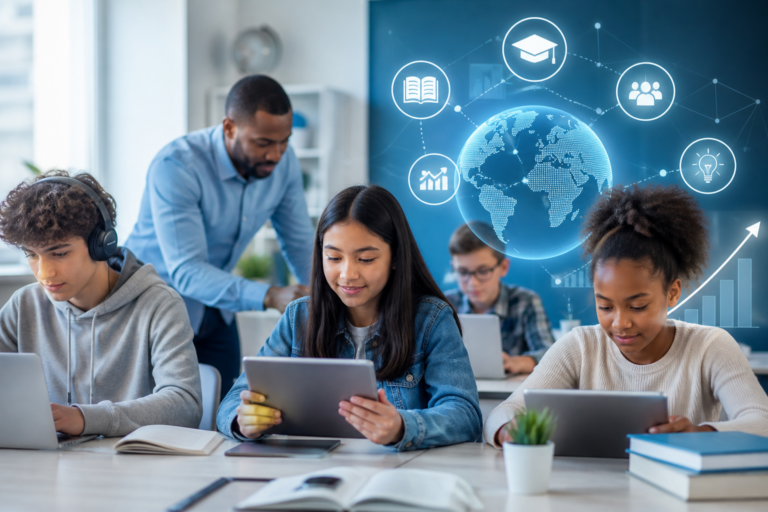
technology impact on education is the focus of this technology-news update.
The Impact of Technology on Education: Transforming Learning in the Digital Age
The impact of technology on education has become a defining element in how students learn, educators teach, and institutions function worldwide. Rapid advancements in digital tools and platforms are reshaping traditional educational models, presenting both new opportunities and complex challenges. Understanding these changes is crucial for educators, policymakers, and technology stakeholders seeking to navigate and optimize this evolving landscape. This article examines key trends, effects, and future directions related to the integration of technology in education.
You might also be interested in technology impact on education drives 30% rise in remote lea. You might also be interested in technology impact on education drives rise in remote learnin. You might also be interested in technology impact on education transforms learning with AI t. You might also be interested in technology impact on education drives 30% rise in remote lea. You might also be interested in technology impact on education reshapes learning with AI too.Key Trends and Developments in Educational Technology
Recent years have witnessed widespread adoption of diverse technological tools in education, ranging from online learning platforms to advanced artificial intelligence (AI) systems. Among the most significant developments are AI-driven adaptive learning, virtual and augmented reality (VR/AR), and cloud-based collaboration tools. These technologies enable remote and hybrid learning models, which have become increasingly prominent due to global events such as the COVID-19 pandemic.
– Artificial Intelligence: AI technologies facilitate personalized learning by analyzing student performance and tailoring content accordingly.
– Virtual and Augmented Reality: VR and AR create immersive environments that enable students to explore complex subjects or conduct experiments remotely.
– Cloud Computing: Cloud platforms support resource sharing and communication among students and educators across diverse locations.
How Emerging Technologies Are Reshaping Learning Environments
Artificial Intelligence and Personalized Learning
The integration of AI into educational systems allows for adaptive learning pathways. By continuously monitoring student progress, AI-based platforms can customize content delivery to suit individual learning styles and pace. This real-time feedback enhances engagement and helps address knowledge gaps promptly. While personalization shows promise in improving learning outcomes, it also raises concerns regarding data privacy and the extent to which AI can replace human judgment in education.
Virtual and Augmented Reality in Classrooms
VR and AR technologies offer immersive learning experiences that are particularly valuable for subjects requiring visualization of complex concepts, such as anatomy, engineering, or history. Virtual labs provide students with hands-on experimentation opportunities without the constraints of physical facilities. These tools expand access to practical experiences, especially in remote or under-resourced areas. However, high costs and technical requirements remain significant barriers to widespread adoption.
Cloud Computing and Collaboration Tools
The rise of cloud-based educational platforms has transformed resource accessibility and collaboration. Students and educators can access course materials, submit assignments, and communicate in real time, regardless of location. This capability supports hybrid and distance learning models, making education more flexible and inclusive. Nonetheless, consistent internet access and cybersecurity remain critical concerns to ensure equitable and secure usage.
Effects on Students, Educators, and Educational Institutions
Student Engagement and Learning Outcomes
Technology’s impact on education has changed how students interact with learning materials. Interactive content, gamification, and adaptive tools can increase motivation and accommodate diverse learning needs. Technology also improves accessibility for students with disabilities through assistive devices and customized interfaces. However, disparities in access to devices and reliable internet connectivity risk exacerbating existing educational inequalities.
Teacher Roles and Professional Development
Educators’ roles are evolving from traditional knowledge transmitters to facilitators and mentors who guide technology-enhanced learning experiences. This shift requires continuous professional development to build digital competencies and instructional design skills. Many teachers face challenges adapting to new platforms and integrating technology effectively without compromising pedagogical quality.
Institutional Adaptation and Infrastructure Challenges
Educational institutions must invest substantially in digital infrastructure, cybersecurity measures, and technical support to sustain technology-driven learning. Beyond hardware and software procurement, schools need to address digital equity by ensuring all students have access to necessary devices and connectivity. Balancing these investments alongside other priorities remains a significant challenge for many institutions.
Comparing Traditional Education with Technology-Enhanced Models
Traditional education models emphasize in-person instruction, fixed curricula, and standardized assessments. In contrast, technology-enhanced education offers more flexible delivery methods, personalized content, and innovative evaluation techniques such as automated grading and analytics-driven insights.
Case studies from various regions report mixed outcomes. Some hybrid learning initiatives have improved student performance and engagement, while others struggle due to insufficient resources or inadequate teacher training. Socioeconomic and regional disparities often influence the effectiveness of technology integration, underscoring the need for targeted strategies to bridge these gaps.
Limitations, Risks, and Unknowns in Educational Technology Adoption
– Data Privacy and Security: Increased use of digital platforms raises concerns about protecting sensitive student information from breaches and misuse.
– Digital Divide: Unequal access to technology can deepen educational inequities, particularly affecting students in low-income or rural areas.
– Measuring Long-Term Impact: The long-term educational benefits of technology adoption remain difficult to quantify due to evolving tools and diverse implementation contexts.
– Dependence on Technology: Overreliance on digital tools may reduce opportunities for human interaction, critical thinking, and social skill development.
What Happens Next: Future Directions and Innovations in Educational Technology
Ongoing research continues to explore new applications of AI, VR/AR, and data analytics to further enhance learning outcomes. Pilot projects are investigating how blockchain might secure academic credentials and how learning analytics can provide deeper insights into student behavior.
On the policy front, governments and educational bodies are increasingly focusing on digital equity initiatives and cybersecurity frameworks to support safe and inclusive technology integration. Investment trends indicate sustained funding toward adaptive learning platforms and teacher training programs.
Post-pandemic, hybrid and remote learning models are expected to remain integral components of education, refined based on lessons learned during widespread emergency adoption.
Key Takeaways
– The impact of technology on education is multifaceted, significantly affecting students, teachers, and institutions.
– Emerging technologies such as AI, VR/AR, and cloud computing provide personalized, immersive, and accessible learning experiences.
– Challenges including digital equity, data security, and infrastructure readiness require ongoing attention to maximize benefits.
– Long-term effects on educational outcomes are not yet fully understood, necessitating continuous evaluation and research.
– Future innovations and policy efforts will likely focus on inclusivity, security, and effective integration of technology in education.
Conclusion: Assessing the Ongoing Impact of Technology on Education
The impact of technology on education continues to transform how knowledge is delivered and acquired, offering promising avenues to enhance learning while presenting complex challenges. Stakeholders must balance enthusiasm for digital innovation with careful consideration of equity, privacy, and pedagogical effectiveness. Ongoing research, investment, and dialogue are essential to ensure that technology serves as a tool for broadening educational opportunities rather than deepening divides.
For technology-news readers and industry participants, the evolving landscape of educational technology underscores the importance of informed engagement and strategic foresight. Monitoring developments in AI-powered learning, immersive technologies, and digital infrastructure will provide valuable insights into how education adapts to and benefits from technological progress in the years ahead.
Frequently Asked Questions
How has technology changed the way students learn?
Technology has enabled interactive and personalized learning through digital tools, online resources, and multimedia content, making education more accessible and engaging.
Who benefits most from technology in education?
Students in remote or underserved areas, learners with disabilities, and those seeking flexible or self-paced education benefit significantly from technology-enhanced learning.
Are educational technologies widely available and affordable?
While many educational technologies are increasingly available, affordability and access vary globally, with disparities due to infrastructure, funding, and socio-economic factors.
What privacy and security concerns exist with educational technology?
Educational technology can expose students' personal data to risks if platforms lack strong security measures, making data protection and compliance with privacy laws critical.
What are the limitations of technology in education?
Limitations include digital divide issues, reduced social interaction, dependency on internet access, and challenges in ensuring quality and effective teacher-student engagement.

Leave a Reply