
Xbox physical games strategy shifts as Microsoft expands dis
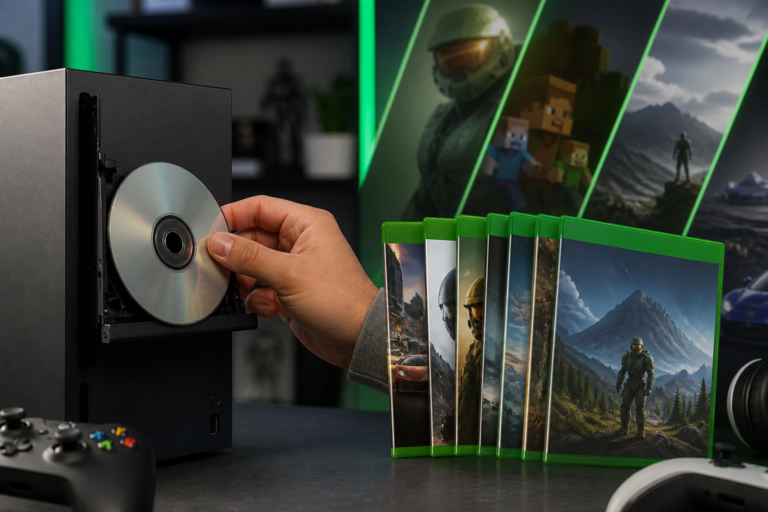
Xbox physical games strategy is the focus of this technology-news update.
Xbox May Have a Surprisingly Smart Plan for Keeping Physical Games Alive
As the gaming industry steadily shifts toward digital distribution, the future of physical game media has become uncertain. However, Xbox may have a surprisingly smart plan for keeping physical games alive, according to recently leaked information revealing Microsoft’s evolving approach. This strategy, which integrates disc-based titles with digital ecosystems and backward compatibility, could provide a meaningful lifeline to collectors, offline players, and retailers who rely on physical copies. It also contrasts with broader industry trends that increasingly favor digital-only offerings.
Industry Context: The Decline of Physical Game Sales
Physical game sales have been declining globally for years, driven by the convenience and accessibility of digital storefronts. Consumers appreciate instant downloads, cloud saves, and the ability to carry entire libraries on a single device. Nonetheless, physical media remains important for several market segments:
– Collectors who value tangible items and limited editions.
– Resale and trade markets that depend on physical ownership.
– Players in regions with limited or expensive internet access who rely on offline play.
Against this backdrop, Microsoft’s recent roadmap leak suggests a deliberate effort to maintain relevance for physical games in an increasingly digital environment.
Recent Developments in Xbox Physical Games Strategy
The leaked Microsoft roadmap outlines several key initiatives aimed at supporting physical game formats. Noteworthy plans include launching a Disc-to-Digital conversion feature in August, expanding the catalog of original Xbox titles for PC in October, and beginning support for Xbox 360 disc games starting in 2027.
The Disc-to-Digital rollout would enable players to convert their physical discs into digital licenses, simplifying access while preserving the value of their physical purchases. Expanding backward compatibility to include a wider selection of original Xbox games on PC and Xbox consoles demonstrates a commitment to legacy content, allowing players to experience classic titles without needing the original hardware.
Key Elements of the Strategy
– Disc-to-Digital Conversion: Facilitates transferring ownership from physical discs to digital licenses, bridging old and new media.
– Expanded Backward Compatibility: Includes original Xbox and Xbox 360 disc games, increasing value for longtime fans.
– Integration with Xbox Services: Connects physical game ownership with Xbox Game Pass and cloud infrastructure.
This multifaceted approach reflects an understanding that physical and digital ecosystems can be complementary rather than mutually exclusive.
What This Means for Gamers, Developers, and the Industry
For gamers who prefer physical copies, Xbox’s strategy offers multiple potential benefits:
– Preservation of Ownership: Physical discs maintain value by enabling conversion to digital licenses.
– Offline Play Support: Continued backward compatibility ensures games remain accessible without constant internet access.
– Expanded Game Access: Classic titles from multiple Xbox generations become more accessible on modern hardware.
Developers and publishers may experience mixed effects. The Disc-to-Digital feature could reduce the frequency of resales, potentially impacting secondary sales revenue. However, it may also encourage continued engagement with older titles and stimulate interest in remasters or new editions.
Retailers and the physical resale market could face challenges as digital conversions decrease the need for disc-based transactions. Still, ongoing support for physical discs and backward compatibility may sustain demand for pre-owned games and special editions.
Comparison with Competitors’ Approaches to Physical Media
Compared to other major platforms, Microsoft’s approach stands out for its emphasis on backward compatibility and disc-to-digital integration:
– Sony has reduced physical support in some PlayStation 5 models and focuses heavily on digital distribution, although it maintains backward compatibility with PlayStation 4 games.
– Nintendo continues to support physical cartridges for the Switch console but offers limited backward compatibility with older systems and no disc media.
– Other industry players increasingly prioritize digital storefronts and subscription services, often at the expense of physical media.
Microsoft’s plan is notable for actively preserving the utility and value of physical discs rather than phasing them out.
Limitations and Uncertainties in Xbox’s Physical Game Strategy
Despite promising details, several aspects remain unclear or unconfirmed. The exact mechanics and user experience of the Disc-to-Digital conversion have not been fully disclosed. It is uncertain whether all physical titles will be eligible or if limitations will apply based on licensing, region, or publisher agreements.
Technical challenges include ensuring consistent backward compatibility across Xbox generations and managing digital rights management (DRM) complexities involved in converting physical ownership to digital licenses.
From a business perspective, Microsoft must balance the interests of publishers, retailers, and consumers to avoid alienating any group. The success of the plan will depend on effective partnerships and clear communication.
Future Outlook for Xbox and Physical Games
Looking ahead, Microsoft’s roadmap suggests further announcements and feature rollouts related to physical game support. The introduction of Xbox 360 disc support in 2027 indicates a long-term commitment to backward compatibility.
This strategy could evolve alongside advancements in cloud gaming, digital storefronts, and hardware innovations to offer flexible options for players who prefer either physical media or digital convenience.
Key Takeaways for Technology News Readers
– Xbox is innovating to keep physical games relevant through disc-to-digital conversions and backward compatibility.
– These efforts could provide a sustainable model for physical game ownership amid digital trends.
– Microsoft’s approach diverges from competitors by valuing legacy hardware and physical media integration.
– Details on implementation are still emerging, and the impact on the broader ecosystem remains to be seen.
Conclusion: What to Watch Next
As the gaming industry embraces digital distribution, Xbox may have a surprisingly smart plan for preserving physical games that respects the needs of diverse player communities. The success of this approach will depend on how effectively Microsoft executes its Disc-to-Digital feature, expands backward compatibility, and manages relationships between publishers, retailers, and consumers.
Observers should monitor upcoming Xbox announcements detailing feature specifics, supported titles, and user feedback. Microsoft’s ability to balance physical media preservation with modern gaming trends could influence industry practices and consumer expectations in the years ahead.
Frequently Asked Questions
What is Xbox's plan for keeping physical games relevant?
Xbox aims to support physical games by continuing to produce consoles with disc drives and enhancing backward compatibility, allowing players to use their existing physical game collections.
Who will benefit from Xbox's support for physical games?
Players who prefer owning physical copies, collectors, and those with existing disc-based libraries will benefit from Xbox's commitment to maintaining disc drive functionality.
Will Xbox physical games work on all current and future consoles?
Physical games are supported on Xbox consoles equipped with disc drives, such as the Xbox Series X. However, disc-based games will not work on all-digital models like the Xbox Series S.
Does using physical Xbox games require an internet connection or subscription?
While physical games can be played offline, some features like updates, online multiplayer, and Xbox Game Pass integration may require internet access or subscriptions.
Are there any security or privacy concerns with using physical Xbox games?
Using physical games involves standard security practices; discs do not track personal data, but online features accessed through physical games follow Xbox's usual privacy policies.
Source: Original reporting

Leave a Reply