
Apple Watch running features enhanced with new GPS and metri
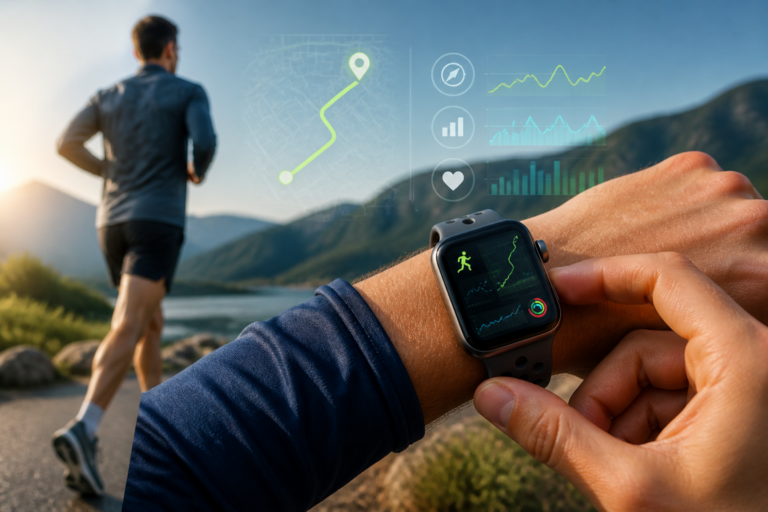
3 Apple Watch Running Features I Wish I’d Known About Sooner
The Apple Watch has evolved from a general-purpose smartwatch into a robust fitness companion, especially for runners. Among its numerous capabilities, several running features stand out for their potential to enhance training accuracy, race-day performance, and health monitoring. Discovering these lesser-known tools can transform the running experience, making workouts more data-driven and recovery better informed. This article highlights three Apple Watch running features I wish I had known about sooner, explaining how they can benefit both casual joggers and marathon trainees.
Why These Apple Watch Running Features Matter Now
Apple’s ongoing updates to watchOS and the device’s hardware reflect a growing focus on fitness technology. For runners, these advancements extend beyond basic step counting or heart rate monitoring to provide detailed insights into running form, endurance, and recovery. Accessing the full suite of Apple Watch running features offers valuable data and tools that can help reduce injury risk, optimize training plans, and improve race outcomes. As more individuals rely on wearables for health management, understanding these features is essential to maximizing the device’s capabilities.
Understanding the Impact of Apple Watch Updates on Running
Recent software updates have delivered notable enhancements tailored specifically for runners. For example, watchOS now offers more detailed workout metrics and customizable alerts within the Workout app. Meanwhile, hardware improvements in the latest Apple Watch models have boosted GPS accuracy and sensor responsiveness. These changes underscore Apple’s commitment to building a comprehensive fitness ecosystem that integrates seamlessly with iOS and HealthKit, enabling users to track, analyze, and share performance data effectively.
These developments are significant as they reflect Apple’s strategy to compete with specialized fitness wearables by embedding advanced features into a widely used consumer device. For runners, this means carrying fewer gadgets and enjoying an integrated experience that combines music, notifications, and health monitoring in a single device.
The 3 Apple Watch Running Features I Wish I’d Known About Sooner
1. Advanced Running Dynamics Metrics
While many runners monitor basic stats such as pace, distance, and heart rate, the Apple Watch offers a comprehensive set of advanced running dynamics metrics that often go overlooked. These include ground contact time, stride length, vertical oscillation, and cadence. Utilizing the built-in accelerometer and gyroscope, the watch provides insights into running form that can help identify inefficiencies or imbalances.
For instance, tracking ground contact time asymmetry can reveal if one foot spends more time on the ground, potentially indicating injury risk. Stride length data assists runners in optimizing step length for speed and energy efficiency. These metrics are accessible via the Workout app and Health app under “Running Dynamics,” allowing users to make informed adjustments to their training.
2. Customizable Pace Alerts and Splits
A feature that enhances training precision is the ability to set pace alerts and customize split notifications. Runners can program the Apple Watch to notify them if their pace falls outside a target range during intervals or long runs. This real-time feedback helps maintain consistent effort without needing to frequently check the screen, improving focus and safety.
Additionally, split alerts can be customized for specific distances, such as every half-mile or kilometer, providing timely updates on performance. This is particularly useful for marathon training or race day, where pacing strategy is critical. Previously, these capabilities often required third-party apps or manual timing, but Apple Watch now offers them natively.
3. Automatic Workout Detection and Recovery Suggestions
The Apple Watch can automatically detect when a run begins and ends, ensuring workout data is recorded even if the user forgets to start the app manually. Beyond convenience, the watch also provides personalized recovery time recommendations based on workout intensity and duration. This feature helps runners avoid overtraining by suggesting appropriate rest periods, which are vital for progression and injury prevention.
Recovery insights are derived from heart rate variability and exertion data collected during runs. Incorporating these suggestions enables runners to better balance training load and rest, a feature not commonly offered by mainstream running wearables.
How These Apple Watch Running Features Compare to Other Running Wearables
In a market dominated by brands such as Garmin and Fitbit, the Apple Watch distinguishes itself through deep iOS integration and a broader feature set that extends beyond running metrics. Garmin devices are known for superior battery life and specialized GPS tracking favored by ultra-distance runners. Fitbit offers user-friendly interfaces and affordability but may lack the advanced running dynamics available on the Apple Watch.
Apple Watch’s strengths include seamless syncing with iPhones, facilitating detailed post-run analysis through the Health app and third-party fitness applications. Native features like customizable pace alerts and automatic recovery suggestions enhance convenience and holistic health monitoring. However, compared to dedicated running watches, the Apple Watch may have shorter battery life during GPS-intensive workouts, which is a consideration for some users.
Limitations and Unknowns of Apple Watch Running Features
Despite its advances, Apple Watch running features have limitations. GPS accuracy, although improved, can still be affected by environmental factors such as dense urban settings or heavy tree cover. Some users report occasional discrepancies in heart rate readings during high-intensity intervals, which can impact recovery calculations.
Additionally, the Apple Watch lacks certain niche features found in specialized running devices, such as advanced trail running metrics or ultra-marathon battery modes. Some runners also seek more granular control over custom workouts, which currently requires third-party apps to fully realize.
Implications for Developers and Third-Party Fitness Apps
Apple’s expansion of running metrics and health data accessibility presents new opportunities for app developers. Detailed running dynamics and recovery data available through HealthKit APIs enable fitness apps to provide personalized coaching, injury prevention advice, and training plans based on precise physiological metrics.
However, developers must navigate Apple’s ecosystem constraints, including app background activity limits and privacy policies that may restrict real-time data processing. Nonetheless, the integration of Apple Watch running features encourages innovation in app design, promoting more intelligent and adaptive fitness solutions.
What’s Next: Future Directions for Apple Watch Running Capabilities
While Apple has not disclosed specific upcoming features, industry trends suggest ongoing improvements in sensor accuracy and machine learning algorithms to deliver more personalized coaching and health insights. Potential future enhancements may include more detailed biomechanical analysis, improved battery efficiency for longer workouts, and deeper integration with third-party fitness platforms.
Incremental watchOS updates are expected to enhance user experience by making running features more intuitive and informative. As the wearable market evolves toward comprehensive health monitoring, the Apple Watch is positioned to remain a key player in shaping how runners train and recover.
Key Takeaways
– Advanced running dynamics provide valuable insights into form that can improve efficiency and reduce injury risk.
– Customizable pace alerts and split notifications deliver real-time feedback essential for structured training.
– Automatic workout detection combined with recovery suggestions helps balance training load and rest.
– Apple Watch running features excel in iOS integration but may lag behind specialized devices in battery life and niche metrics.
– Developers benefit from enhanced data access, fostering innovation in fitness app functionality.
– Future updates will likely focus on accuracy, battery life, and personalized coaching enhancements.
Conclusion: Maximizing Your Running Experience with Apple Watch
Exploring these three Apple Watch running features can significantly improve both training and racing experiences. Leveraging advanced running dynamics, customizable pace alerts, and intelligent recovery guidance allows runners to train more effectively and reduce uncertainty in measuring fitness progress. Apple’s ongoing software and hardware refinements ensure the device remains a versatile tool for health-conscious users.
For runners aiming to maximize performance and well-being, understanding these capabilities and staying informed about future updates is essential. As wearable technology continues to advance, the Apple Watch is set to remain a central hub for running and overall fitness management.
Frequently Asked Questions
What are the key Apple Watch running features that improve workout tracking?
Apple Watch offers features like Auto Pause to stop tracking during breaks, Pace Alerts to notify if you’re running too fast or slow, and Custom Workouts to tailor running sessions with intervals and goals.
Which Apple Watch models support advanced running features?
Most Apple Watch models from Series 3 and later support core running features, but the latest models like Series 8 and Ultra offer enhanced GPS accuracy and additional health sensors for better tracking.
Do Apple Watch running features require an iPhone to function?
Basic running features work independently on the Apple Watch, but syncing workouts, updating software, and accessing detailed metrics often require an iPhone with the paired Watch app.
Are there any privacy concerns with using Apple Watch running features?
Apple prioritizes user privacy by encrypting health and workout data stored on the device and iCloud, and users can control what data is shared with third-party apps.
Can I customize running alerts and training plans on Apple Watch?
Yes, users can customize pace alerts, set distance or time goals, and create interval workouts directly on the Apple Watch or through the iPhone Fitness app.
Source: Original reporting

Leave a Reply