
Sustainable environmental technology advances with new carbo
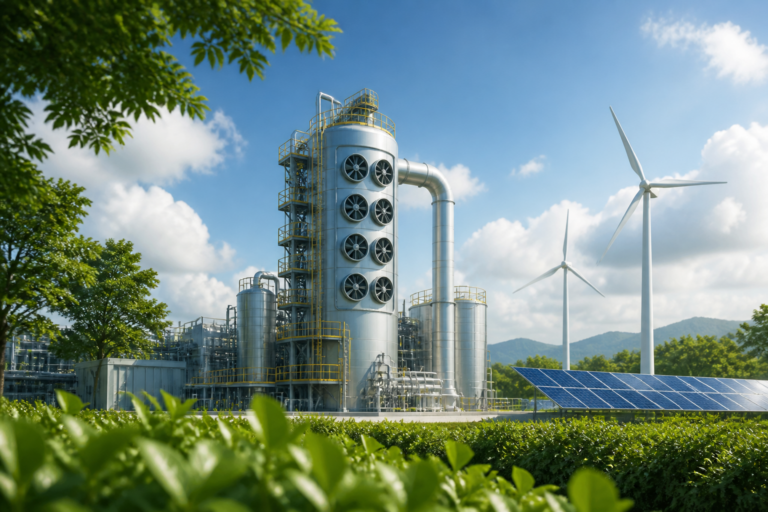
Sustainable Technology for Environment: Innovations Shaping the Future
As environmental challenges intensify worldwide, sustainable environmental technology has become a critical focus for industries, governments, and consumers. The growing need for solutions that address climate change, reduce pollution, and conserve natural resources has driven advances in technologies designed with sustainability at their core. These developments span sectors including energy, agriculture, manufacturing, and waste management, reflecting an increasing integration of sustainable technology for environment into everyday practices and strategic business operations.
You might also be interested in Sustainable Technology Solutions Drive Growth in Renewable E. You might also be interested in technology startups to watch in 2024 driving AI and green te. You might also be interested in future transportation technology advances with autonomous el. You might also be interested in renewable energy technology advancements drive global carbon. You might also be interested in technology trends 2024 Driving Innovation in AI, Robotics, a.What Is Sustainable Technology for Environment?
Sustainable environmental technology encompasses technologies engineered to minimize environmental impact while promoting efficient resource use. Unlike traditional technologies that often emphasize immediate performance or cost-effectiveness without fully considering ecological consequences, sustainable technologies strive to balance economic growth with environmental stewardship and social well-being.
This broad category includes innovations in renewable energy production, water purification, waste reduction, and sustainable agriculture. For instance, solar and wind power systems reduce dependence on fossil fuels, precision agriculture optimizes water and fertilizer use, and advanced recycling methods help close material loops. The adoption of sustainable technology for environment spans multiple sectors, signaling a systemic shift toward greener practices.
Recent Advances in Sustainable Technology for Environment
Renewable Energy Innovations
Renewable energy remains central to sustainable environmental technology. Recent breakthroughs in photovoltaic materials have increased solar panel efficiency, enhancing energy capture even in low-light conditions. Wind turbine designs have improved in aerodynamic efficiency and durability, enabling higher output with lower maintenance costs. Additionally, bioenergy technologies are evolving to produce cleaner fuels from organic waste, supporting circular economy principles.
Waste Management and Recycling Technology
Technological progress in waste management includes automated sorting systems that use artificial intelligence (AI) to improve recycling rates by accurately identifying materials. Advances in chemical recycling enable plastics to be broken down and repurposed without quality loss. These innovations reduce landfill reliance and lower greenhouse gas emissions associated with waste decomposition.
Energy-Efficient Materials and Devices
The development of materials with improved insulation properties and reduced embodied energy supports more sustainable construction and manufacturing. Energy-efficient appliances now incorporate smart sensors and adaptive controls to optimize power consumption. These enhancements reduce overall energy demand and help users lower their environmental footprint.
Digital Tools for Environmental Monitoring
The expansion of Internet of Things (IoT) devices and remote sensing technologies has enhanced real-time environmental monitoring capabilities. AI-driven data analytics assist in predicting pollution levels, managing natural resources, and optimizing industrial processes to minimize emissions. These digital tools improve decision-making and support regulatory compliance.
Impact on Users, Businesses, and Developers
Consumers benefit from sustainable environmental technology through lower energy costs, improved product durability, and reduced exposure to pollutants. These technologies also enable individuals to make more environmentally conscious choices.
Businesses are increasingly incorporating sustainable technology into their operations in response to regulatory pressures, consumer demand, and incentives such as tax credits and grants. Trends indicate growing recognition that sustainability can drive competitive advantage, enhance brand reputation, and open new markets. Nonetheless, challenges remain in balancing upfront investment costs with long-term gains.
For developers, sustainable technology for environment presents both opportunities and complexities. Innovation requires multidisciplinary collaboration and navigation of evolving regulatory frameworks. Developers must also address lifecycle impacts, scalability, and barriers to user adoption to create viable solutions.
Comparison and Context: Sustainable Technology vs. Conventional Alternatives
Sustainable technologies often involve trade-offs compared to conventional methods. While generally offering reduced greenhouse gas emissions and resource consumption, some require higher initial capital or face limitations in energy density or scalability. For example, renewable energy systems depend on geographic and climatic factors, affecting feasibility in certain regions.
Case studies demonstrate measurable benefits, such as cities adopting smart grid technologies that report significant reductions in energy waste and emissions. Conversely, some industries encounter difficulties retrofitting existing infrastructure to accommodate sustainable alternatives, limiting rapid adoption.
Adoption rates vary by region and sector, influenced by economic development, policy support, and cultural attitudes toward sustainability. Emerging economies may experience slower uptake due to financial constraints, whereas developed regions often lead in implementing advanced sustainable technologies.
Limitations and Unknowns in Sustainable Technology for Environment
Despite encouraging progress, many sustainable technologies face challenges related to technological maturity. Some innovations remain in pilot phases, with uncertain scalability and long-term reliability. Comprehensive environmental impact assessments and lifecycle analyses are sometimes lacking, complicating full understanding of trade-offs.
Regulatory landscapes remain inconsistent, with policy uncertainty affecting investment and deployment decisions. Market dynamics also pose challenges, as the economic viability of sustainable options can fluctuate with commodity prices and subsidies.
What Happens Next: The Future of Sustainable Technology for Environment
Ongoing research focuses on improving material efficiency, expanding digital integration, and developing hybrid energy systems that combine multiple renewable sources. Advances in AI and machine learning are expected to enhance precision in environmental management and resource optimization.
Policy trends indicate increasing governmental emphasis on sustainability, including stricter emissions standards and greater funding for green innovation. Cross-sector collaboration among academia, industry, and policymakers is anticipated to accelerate technology transfer and standardization.
Key Takeaways
– Sustainable environmental technology covers a wide range of innovations aimed at reducing environmental impact while supporting economic and social objectives.
– Recent advances in renewable energy, waste management, energy-efficient materials, and digital monitoring are driving progress.
– Consumers, businesses, and developers all benefit from and contribute to adopting sustainable technologies, despite ongoing challenges.
– Comparisons with conventional technologies reveal trade-offs and region-specific adoption hurdles.
– Limitations include technological maturity, regulatory uncertainty, and incomplete environmental impact data.
– The future points toward integrated, data-driven solutions supported by collaborative efforts and evolving policies.
Conclusion: The Critical Role of Sustainable Technology for Environment in Shaping a Resilient Future
Sustainable environmental technology plays a vital role in addressing complex global environmental challenges. Its continued development and adoption offer pathways to reduce carbon emissions, conserve resources, and foster resilient communities and economies. Although uncertainties and limitations persist, ongoing innovation combined with supportive policies can enhance scalability and impact.
Technology-news readers and stakeholders should monitor emerging breakthroughs in renewable energy materials, AI-driven environmental management, and circular economy technologies. Equally important is active participation in policy discussions and investment decisions that influence the pace and direction of sustainable technology implementation. By understanding both the potential and constraints of sustainable environmental technology, society can better navigate toward a sustainable and prosperous future.
Frequently Asked Questions
What is sustainable technology for the environment?
Sustainable technology refers to innovations designed to minimize environmental impact by reducing resource consumption, waste, and pollution while promoting energy efficiency and renewable resources.
Who benefits from using sustainable technology?
Sustainable technology benefits individuals, businesses, and governments by lowering operational costs, reducing carbon footprints, complying with regulations, and contributing to global environmental protection.
Are sustainable technologies widely available and affordable?
Many sustainable technologies, such as solar panels and energy-efficient appliances, are increasingly available and affordable due to advancements and subsidies, though initial investment costs can vary.
What are common limitations of sustainable technologies?
Limitations include higher upfront costs, intermittent energy supply in some renewable sources, the need for infrastructure upgrades, and potential resource constraints in production.
How does sustainable technology impact privacy and security?
While sustainable technologies themselves focus on environmental benefits, devices connected through IoT for monitoring can raise privacy and security concerns that require proper data protection measures.

Leave a Reply