
prediction markets gambling regulation advances with new US
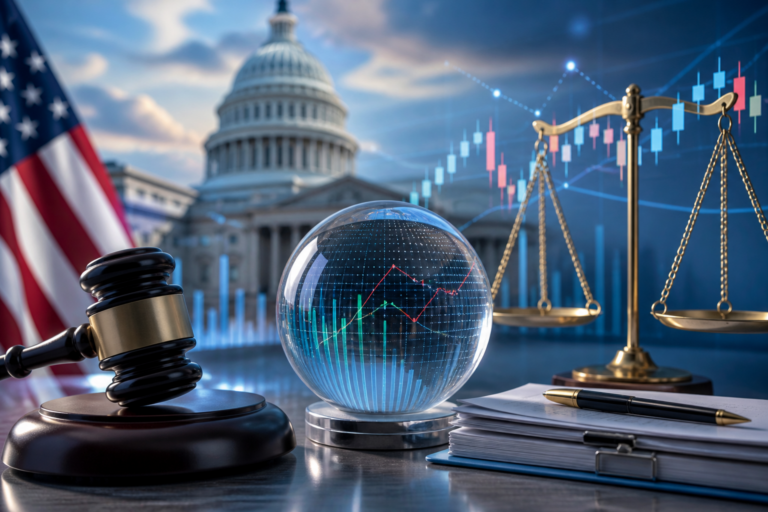
prediction markets gambling regulation is the focus of this technology-news update.
States Can Regulate Prediction Markets As Gambling, Federal Appeals Court Rules
Prediction markets, which aggregate collective insights to forecast future events such as political outcomes and economic indicators, have grown rapidly in influence. Their expansion, however, has raised complex legal questions regarding how these platforms fit within existing regulatory frameworks. In a landmark decision, a federal appeals court ruled that states have the authority to regulate prediction markets as gambling. This ruling marks a significant development in the ongoing debate over prediction markets gambling regulation and state jurisdiction.
The decision challenges the operational latitude of prediction market operators and underscores the ongoing tension between technological innovation and regulatory oversight. Its impact extends beyond individual companies to users, developers, and regulators navigating this evolving landscape.
Overview of the Federal Appeals Court Ruling
The case originated in Nevada, where state regulators sought to shut down Kalshi, a prominent prediction market platform offering contracts on various events, including sports. Kalshi characterized its offerings as swaps rather than bets, aiming to place itself outside the scope of traditional gambling statutes.
However, a three-judge panel of the Ninth Circuit Court of Appeals unanimously ruled 3-0 that Kalshi’s sports event contracts were, in substance, sports gambling. The judges rejected Kalshi’s attempt to distinguish its contracts from sportsbook wagers. They also noted inconsistencies in Kalshi’s earlier marketing materials, which described its products as sports bets, labeling the company’s current legal arguments as “disingenuous.”
This ruling affirms that state regulators possess the jurisdiction and authority to classify and regulate such markets under existing state gambling laws, representing a significant victory for states in asserting control over prediction markets gambling regulation.
Key Details of the Ruling and Regulatory Implications
The court’s decision clarified several important aspects concerning prediction markets and their regulation:
– Definition and Classification: Contracts on sports events offered through prediction markets are considered gambling activities, regardless of the terminology used by the platform.
– State Authority Affirmed: States may apply their gambling laws to these platforms, including imposing restrictions, licensing requirements, or outright prohibitions.
– Federal vs. State Roles: While federal agencies like the Commodity Futures Trading Commission (CFTC) oversee certain financial swaps, the court emphasized limits on federal preemption in matters involving state gambling laws.
The ruling thus reinforces that prediction markets remain subject to state jurisdiction, particularly when their operations resemble traditional gambling.
Impact on Users, Businesses, and Developers
The ruling carries multifaceted consequences for various stakeholders in the prediction market ecosystem:
– Operators: Companies like Kalshi may face heightened regulatory scrutiny, licensing challenges, and restrictions in states with stringent gambling laws, potentially limiting their operational scope and increasing compliance costs.
– Users: Access to prediction markets may vary widely depending on state regulations. Some users could be legally barred from participation or encounter new verification and compliance procedures.
– Developers and Innovators: Technology creators building prediction market tools or integrating these services into broader platforms will need to navigate a patchwork of state laws, complicating product design and deployment.
Overall, this decision pressures the industry to adapt to a regulatory environment that treats prediction markets similarly to gambling enterprises.
Comparison and Context: Prediction Markets vs. Traditional Gambling
Prediction markets share key characteristics with traditional gambling, such as wagering money on uncertain future events with potential financial returns. However, there are important distinctions:
– Scope and Purpose: Prediction markets often cover a broader array of topics beyond sports and casino games, including political elections, economic trends, and social outcomes.
– Market Mechanisms: These platforms typically use exchange-based models where users buy and sell contracts reflecting event probabilities rather than placing simple bets.
Despite these differences, regulators have long struggled with how to categorize these platforms. Before this ruling, states and federal regulators adopted varying approaches, resulting in legal uncertainties and inconsistent enforcement.
The court’s decision aligns prediction markets more closely with traditional gambling in regulatory terms, echoing past controversies over internet-based betting and financial instruments that blur legal definitions.
Limitations and Remaining Questions
While the ruling is a notable legal milestone, it leaves several questions unresolved:
– Federal-State Legal Conflicts: The relationship between federal regulations—particularly CFTC oversight of swaps—and state gambling laws remains complex and may lead to further litigation.
– Scope Beyond Sports: The ruling specifically addressed sports event contracts, leaving the regulatory treatment of non-sports prediction markets less clear.
– Supreme Court Review: Legal experts anticipate that the Supreme Court may eventually consider a case to resolve broader questions regarding the nationwide regulation of prediction markets gambling.
These uncertainties indicate that the regulatory landscape will continue to evolve, requiring ongoing attention from industry participants and policymakers.
Practical Consequences of the Ruling
This ruling establishes that states can regulate prediction markets as gambling, reinforcing state regulatory authority and setting a precedent for future cases. Practical outcomes include:
– State governments are empowered to enforce gambling laws against prediction market operators with greater confidence.
– Regulatory agencies may increase investigations and enforcement actions targeting platforms operating akin to sportsbooks.
– Operators must account for diverse state regulations, potentially limiting nationwide availability.
– The decision may encourage other states to adopt or update laws explicitly addressing prediction markets gambling regulation.
For regulators, the ruling sends a clear message that prediction markets cannot evade gambling laws merely by rebranding their products.
Future Outlook for Prediction Markets and Regulation
Following this ruling, several developments are expected:
– Industry participants like Kalshi are likely to pursue further legal appeals, potentially seeking Supreme Court review to challenge or clarify the decision.
– The CFTC may issue clearer regulations concerning prediction markets and sports-related contracts to address ambiguities highlighted by the case.
– Legislatures at both state and federal levels might propose new laws aiming to harmonize prediction market regulation, balancing innovation with consumer protection.
– Developers will likely prioritize compliance tools, geolocation restrictions, and other mechanisms to operate legally within varied jurisdictions.
Ultimately, this ruling represents a pivotal moment in prediction markets gambling regulation, highlighting the need for a clearer legal framework that accommodates technological innovation while respecting state sovereignty.
Key Takeaways
– The Ninth Circuit Court of Appeals ruled that states have authority to regulate prediction markets as gambling.
– This decision challenges operators like Kalshi, who sought to distinguish their contracts from traditional sports bets.
– The ruling reinforces state regulatory powers and constitutes the largest appellate victory for states in this sector to date.
– Uncertainties remain, especially regarding federal preemption and the regulation of non-sports prediction markets.
– The Supreme Court may ultimately provide a definitive ruling on this issue.
For users, developers, and regulators, this ruling demands vigilance and adaptability as prediction markets adjust to a more regulated and fragmented legal environment.
Frequently Asked Questions
What did the federal appeals court rule about prediction markets?
The federal appeals court ruled that states have the authority to regulate prediction markets as a form of gambling.
Who is affected by this ruling on prediction markets?
Operators of prediction markets, participants, and state regulators are affected, as states can now enforce gambling laws on these platforms.
Does this ruling mean prediction markets are illegal nationwide?
No, the ruling allows each state to decide whether and how to regulate prediction markets; it does not ban them federally.
What are the potential implications for users of prediction markets?
Users may face restrictions or requirements depending on state laws, such as age limits, licensing, or taxes related to gambling regulations.
What are the next steps for states following this court decision?
States may update or create laws to regulate prediction markets, enforce compliance, and clarify legal frameworks for operators and users.
Source: Original reporting

Leave a Reply